Steam Pipe Heat Loss Calculator
Calculate BTU/hr heat loss from bare and insulated steam lines, condensate formation rate (lb/hr), annual energy cost, and insulation payback period. Built for U.S. industrial steam systems.
Free Tool · BTU/hr Loss · Condensate lb/hr · Energy Cost $/yr · Insulation ROISelects saturation temperature automatically from steam tables.
Use 75°F for indoor plant, 40–60°F for outdoor exposed pipe.
Calcium silicate is standard for steam >300°F. Mineral wool for 300–1,200°F service.
Typical: 1–1.5" for 150 psig, 2–3" for 300+ psig. NPS 4" and larger: 2–4" typical.
Typical natural gas: $6–$12/MMBtu. Boiler efficiency 78–85% for older firetube, 85–92% for modern units.
8,760 = continuous 24/7. Use 6,000–7,000 for seasonal or shift operations.
For payback calculation. Rule of thumb: $8–$20/linear ft for pipe insulation installed.
| Steam Conditions | |
| Steam pressure | — |
| Saturation temperature | — |
| Ambient temperature | — |
| ΔT (steam − ambient) | — |
| Pipe & Geometry | |
| Nominal pipe size / OD | — |
| Pipe run length | — |
| Insulation type / thickness | — |
| Insulated OD | — |
| Heat Loss — Bare Pipe | |
| Heat loss rate | — |
| Heat loss per linear foot | — |
| Condensate formed | — |
| Heat Loss — Insulated Pipe | |
| Heat loss rate | — |
| Heat loss per linear foot | — |
| Outer surface temperature | — |
| Condensate formed | — |
| Energy Cost & ROI | |
| Bare pipe annual cost | — |
| Insulated pipe annual cost | — |
| Annual energy savings | — |
| Insulation installed cost | — |
| Simple payback | — |
Arrows show heat escaping from the pipe. Insulation drastically reduces the number and size of escape paths. Surface temperature updates live — OSHA 29 CFR 1910.106 requires ≤140°F for personnel protection.
How Steam Pipe Heat Loss Is Calculated
Every foot of uninsulated steam pipe in your plant is bleeding money 24 hours a day. A single 100-foot run of bare 2" pipe carrying 125 psig steam loses over $4,000 per year in fuel — and that's just one line. The DOE estimates that insulating all uninsulated steam lines in a typical plant pays back in less than one year at today's fuel prices.
1 Bare Pipe Heat Loss
Heat escapes from bare pipe through both convection (air movement around the pipe) and radiation (infrared emission). For steam pipe in still indoor air, radiation accounts for 30–50% of total loss.
2 Insulated Pipe Heat Loss
Insulation adds cylindrical thermal resistance. Heat must conduct through the insulation thickness before reaching the outer surface. The logarithmic geometry means more insulation = diminishing returns, but the first 1" saves the most.
3 Condensate Formation
Every BTU lost through the pipe wall condenses some steam. This condensate must be removed by steam traps. Excess condensate from uninsulated lines overloads traps, causes water hammer, and reduces steam quality at the process.
4 Energy Cost & Payback
Annual energy cost accounts for boiler efficiency — you must burn more fuel than the heat loss because the boiler isn't 100% efficient. Simple payback is installed insulation cost divided by annual savings.
OSHA 29 CFR 1910.106 and ASTM C1055 require that pipe surfaces accessible to plant personnel be maintained at or below 140°F to prevent contact burns. A bare 125 psig steam pipe (353°F) has a surface temperature equal to the steam temperature. Even 1" of mineral wool insulation brings the surface down to approximately 120–130°F — compliant with OSHA requirements. This safety requirement alone often justifies insulation cost before any energy analysis.
Worked Examples — 3 Real Plant Scenarios
Insulated: ~$1,100/yr
Savings: ~$17,100/yr
Insulated: ~$450/yr
Savings: ~$6,350/yr
Insulated: ~$1,600/yr
Savings: ~$26,900/yr
Insulation Material Reference
| Material | k-Value BTU·in/hr·ft²·°F |
Max Temp °F | Best For | Installed Cost $/linear ft (est.) |
|---|---|---|---|---|
| Fiberglass / Glass Wool | 0.025–0.032 | 1,000°F | Steam <350°F, water lines | $5–$12 |
| Mineral Wool / Rock Wool | 0.026–0.030 | 1,200°F | Steam up to 1,200°F, fire-rated | $8–$18 |
| Calcium Silicate | 0.038–0.044 | 1,200°F | High-temp steam >300°F, mechanical abuse | $15–$30 |
| Foam Glass | 0.020–0.025 | 900°F | Cold & hot service, moisture resistant | $18–$35 |
| Polyisocyanurate (PIR) | 0.014–0.018 | 300°F | Chilled water, low-temp hot water | $6–$14 |
Frequently Asked Questions
Related Industrial Tools
Top Picks for CNC Router Tooling
Professional-grade carbide tools ready to ship. Click any product to view details and pricing.
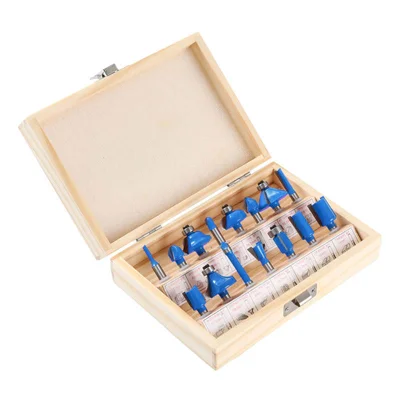
15-Piece Router Bit Set
Multi-size starter kit with carrying case
View on Alibaba →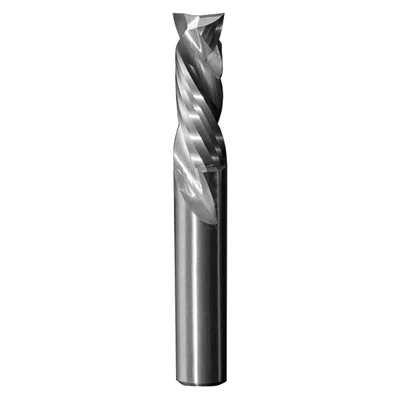
Compression Spiral Bits
Clean edges on plywood & MDF
View on Alibaba →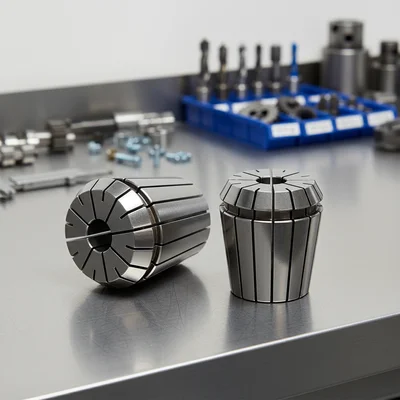
ER Collet Set
Precision holding, zero runout
View on Alibaba →As an Alibaba affiliate partner, we earn from qualifying purchases at no cost to you.