Labor Cost Calculator
Enter worker roles, base wages, labor burden, overhead, and profit markup to instantly get fully burdened hourly rates, total project cost, client quote price, and gross margin — ready to submit a bid.
Free Tool · Burdened Rate · Overhead · Markup · Gross Margin · QuoteOffice rent, admin salaries, insurance, tools, vehicles, software. Typical: 15–35% for contractors, 20–40% for engineering firms.
Desired net profit before tax. General contractors: 10–20%. Engineering/specialty: 15–30%. Higher risk = higher markup.
Buffer for scope creep, rework, delays, and unforeseen costs. Standard: 5–10% for routine projects, 10–20% for complex jobs.
Each role's burdened rate = base wage × (1 + burden%). Total cost includes regular + overtime hours.
| Role | Hrs | Base | Burdened | Role Total |
|---|
How Contractor Labor Cost Is Calculated
True labor cost has four layers: base wages (what you pay the worker), labor burden (mandatory and voluntary employment costs on top), overhead (what it costs to run the business), and profit markup (your return for risk and expertise). Pricing only from base wages — the most common mistake — understates your true cost by 50–80% and quietly destroys project margins.
1 Base Wage
The hourly wage paid directly to the worker. For overtime hours, multiply by 1.5× under the U.S. Fair Labor Standards Act (FLSA). This is only the starting point of true labor cost.
2 Labor Burden
The additional employer cost per worker beyond wages: FICA taxes (~7.65%), FUTA/SUTA unemployment insurance (~1–4%), workers' comp (~5–25% by trade), health insurance, retirement, and paid time off. Typical total burden: 25–40% of wages.
3 Overhead
Costs of running the business that aren't tied to one project: office rent, admin staff, tools and vehicles, software, insurance, training, and marketing. Allocated as a % of direct labor cost. Typical contractor overhead: 15–35%.
4 Markup & Quote
Profit markup is applied to total cost (labor + overhead) to arrive at the client quote price. Gross margin is profit ÷ quote; markup is profit ÷ cost. These are different — a 20% markup equals a 16.7% gross margin.
Many contractors lose money because they confuse markup and margin. If your overhead + profit target is 20% of the quote (margin), you need to apply a 25% markup on cost — not 20%. The formula: Markup% = Margin% ÷ (1 − Margin%). For a 20% margin: 0.20 ÷ 0.80 = 25% markup. Always calculate your overhead and profit on top of fully burdened labor — never on base wages alone. And always add a contingency buffer (5–10%) before presenting a client quote. Scope creep alone on a mid-size engineering project can easily consume 3–8% of your labor estimate.
Example Calculations — 3 Real-World Scenarios
Quote: ~$5,680 · Margin: 29%
Quote: ~$19,900 · Margin: 33%
Quote: ~$44,900 · Margin: 30%
Labor Burden Components — Reference Guide
Labor burden varies by trade, state, and benefit package. Workers' compensation rates vary dramatically by risk class — always use your actual classification rate from your insurer.
| Burden Component | Employer Rate | Notes | Mandatory? |
|---|---|---|---|
| FICA — Social Security Federal | 6.20% of wages | On first $168,600 of wages | Yes |
| FICA — Medicare Federal | 1.45% of wages | No wage cap; +0.9% above $200K | Yes |
| FUTA — Federal Unemployment | 0.60% (net) | On first $7,000 of wages after state credit | Yes |
| SUTA — State Unemployment | 1.0–6.0% | Varies widely by state and experience | Yes |
| Workers' Compensation High Variability | 5–25%+ of payroll | By trade class code — electricians ~8%, laborers ~12–20% | Yes (most states) |
| Health Insurance | 5–15% of wages | Employer-paid portion of premiums | 50+ employees (ACA) |
| Retirement / 401(k) Match | 2–6% of wages | If offered — varies by company | No |
| Paid Time Off (PTO) | 3–6% of wages | Vacation, sick leave, holidays paid not worked | Varies by state |
| Typical Total Burden Summary | 25–40% of wages | 30% is a common contractor benchmark | — |
Frequently Asked Questions
Related Business & Cost Tools
Top Picks for CNC Router Tooling
Professional-grade carbide tools ready to ship. Click any product to view details and pricing.
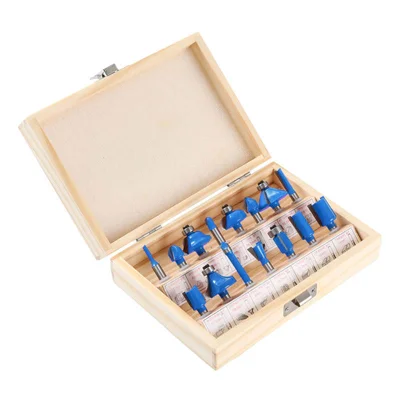
15-Piece Router Bit Set
Multi-size starter kit with carrying case
View on Alibaba →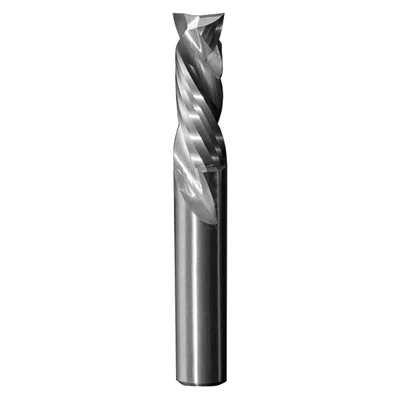
Compression Spiral Bits
Clean edges on plywood & MDF
View on Alibaba →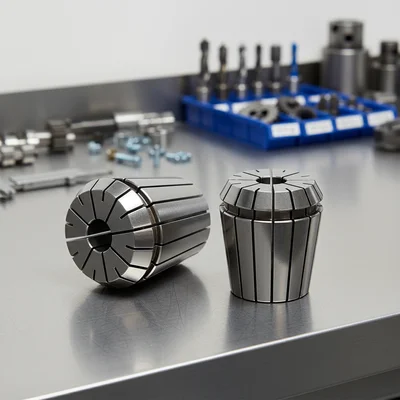
ER Collet Set
Precision holding, zero runout
View on Alibaba →As an Alibaba affiliate partner, we earn from qualifying purchases at no cost to you.