Job Costing Calculator
Calculate the complete cost of any manufacturing job — material, machine, labor, and overhead — all in one place. Get a full cost breakdown, cost per unit, and margin analysis instantly.
Free Tool · Job Costing · Cost Breakdown · Margin AnalysisTotal cost of all raw materials consumed: steel, plastic, components, fasteners, consumables, etc.
Typical range: 3–8% for machining, 1–3% for molding. Leave at 0 if already included in your material cost.
Total hours the machine ran for this job (actual spindle/press/mold time — not calendar time).
Machine rate includes depreciation, maintenance, tooling amortization, and utilities. Typical: $20–$150/hr depending on equipment type.
Total direct labor hours: setup, operation, inspection, and any finishing work.
Use the fully burdened rate: base wage + benefits + payroll taxes. Typically 30–50% above base wage.
Factory overhead (rent, utilities, supervision, insurance) allocated as a % of direct cost. Typical: 15–40%.
Total good units produced in this job run — used to calculate cost per unit.
Enter your quoted or target selling price to see gross margin. Leave at 0 to skip margin calculation.
How Job Costing Works
Job costing (also called job order costing) tracks all costs tied to a specific production job or batch — rather than spreading costs across all products. It gives manufacturers the precise cost information needed to quote accurately, protect margins, and identify where money is being lost.
Machine Cost = Machine Hours × Machine Rate ($/hr)
Labor Cost = Labor Hours × Burdened Labor Rate ($/hr)
Overhead = (Material + Machine + Labor) × Overhead Rate (%)
Cost per Unit = Total Job Cost ÷ Units Produced
Gross Margin (%) = (Selling Price − Cost per Unit) ÷ Selling Price × 100
🟢 Material Cost
The cost of all raw materials consumed in the job: steel, aluminum, plastic resin, sheet metal, fasteners, paint, and any other direct inputs. Include a scrap/waste allowance (typically 3–8%) to reflect material that is cut away, scrapped, or lost during processing. Underestimating material cost is one of the most common quoting mistakes.
🔵 Machine Cost
The cost of running the machine for the hours required by the job. The machine rate ($/hr) typically bundles together: equipment depreciation, planned maintenance, tooling amortization, and energy. Machine rates vary widely — a basic press brake may cost $25/hr while a 5-axis CNC machining center can exceed $120/hr.
🟡 Labor Cost
The direct labor cost of all operators who worked on the job — setup, running, inspection, and finishing. Always use the fully burdened rate (base wage + payroll taxes + benefits), not just take-home wage. The burden factor is typically 30–50% above base wage.
🟣 Overhead Allocation
Factory overhead covers the costs of running your facility that aren't tied to a single job: rent, utilities, supervisory salaries, insurance, general tooling, and facility maintenance. Allocating them as a percentage of direct costs (15–40% is common) ensures each job carries its fair share rather than letting it accumulate as unrecovered cost.
Material, machine, and labor costs are direct costs — they can be traced specifically to this job. Overhead costs are indirect — they support production but can't be tied to one job. Getting this split right matters: if you over-allocate overhead, you'll overprice jobs and lose bids; under-allocate, and you'll win jobs that quietly erode your profitability. Review your overhead rate at least once a year as your revenue and cost structure change.
3 Worked Examples
Material: $420 raw aluminum + 6% scrap = $445.20
Machine: 3.5 hrs × $70/hr = $245.00
Labor: 5 hrs × $30/hr = $150.00
Direct cost subtotal: $840.20 | Overhead at 25%: $210.05
Material: $310 resin + 2% scrap = $316.20
Machine: 2 hrs × $90/hr = $180.00
Labor: 3 hrs × $25/hr = $75.00
Direct cost subtotal: $571.20 | Overhead at 20%: $114.24
Material: $1,200 steel + 5% scrap = $1,260.00
Machine: 8 hrs × $40/hr = $320.00
Labor: 14 hrs × $32/hr = $448.00
Direct cost subtotal: $2,028.00 | Overhead at 30%: $608.40
Typical Cost Component Ranges by Process
| Process | Typical Machine Rate | Burdened Labor Rate | Overhead % Range | Highest Cost Driver |
|---|---|---|---|---|
| CNC Milling / Turning | $45 – $130/hr | $25 – $40/hr | 20% – 35% | Machine + Labor |
| Injection Molding | $60 – $120/hr | $22 – $32/hr | 18% – 30% | Machine + Material |
| Press Brake / Stamping | $25 – $80/hr | $22 – $35/hr | 15% – 28% | Material + Labor |
| Welding Fabrication | $30 – $65/hr | $28 – $45/hr | 20% – 40% | Labor + Material |
| Manual Assembly | $10 – $30/hr | $18 – $35/hr | 15% – 30% | Labor |
| Laser / Waterjet Cutting | $50 – $150/hr | $22 – $35/hr | 18% – 32% | Machine |
Frequently Asked Questions
Job costing tracks costs for a specific job, order, or batch. Each job gets its own cost record — you know exactly what it cost to produce Job #2047. This approach is used in industries where every job is unique or custom: machine shops, fabrication, toolmaking, construction, and low-volume contract manufacturing.
Process costing averages costs across an entire production period and divides by the number of units produced. It's used in high-volume, continuous-flow production where every unit is identical: oil refining, food processing, and large-scale commodity production.
For most job shops and contract manufacturers, job costing is the right approach because it lets you compare actual job cost against your original quote, identify which job types are profitable, and adjust pricing on future jobs based on real data.
The machine rate is the total cost of owning and operating a piece of equipment, expressed as cost per hour. It is calculated by adding up all annual costs associated with the machine, then dividing by the number of productive hours the machine runs per year.
The main components of a machine rate are: depreciation (equipment price ÷ useful life), maintenance and repair, tooling amortization, energy/utilities, and insurance or property tax apportioned to the machine.
Example: A CNC machine purchased for $180,000 with a 10-year life, $8,000/year maintenance, $4,000/year tooling, and $5,000/year energy running 1,800 hrs/year: Rate = ($18,000 + $8,000 + $4,000 + $5,000) ÷ 1,800 = $19.44/hr base, before overhead allocation.
Always use the fully burdened labor rate for job costing, not the base wage. The burdened rate is the true cost to your business of employing that worker for one hour.
Burden typically includes: payroll taxes (social security, unemployment insurance), health insurance and other benefits, paid time off (spread over productive hours), workers' compensation insurance, and retirement contributions.
As a rule of thumb, the burdened rate is typically 30–50% above base wage. If your operator earns $20/hr base, the burdened rate is likely $26–$30/hr. Using base wage instead will consistently understate your labor cost and erode your margins on every job.
The overhead rate represents all indirect factory costs that support production but can't be directly assigned to one job: facility rent, utilities not separately metered per machine, supervisory salaries, general insurance, and indirect supplies.
To calculate: add up all indirect factory costs for a year, then divide by your total direct costs for the same period. Express as a percentage. Example: $200,000/year in overhead ÷ $800,000 in direct costs = 25% overhead rate. For every $1 of direct cost in a job, you allocate $0.25 in overhead.
Typical ranges: small job shop 20–35%, larger automated facility 15–25%, labor-intensive assembly 25–45%. Review and update annually — as your revenue grows, overhead as a percentage of direct costs often falls.
Gross margin targets vary by industry, job type, and competitive environment. As a general guide: standard contract machining/fabrication 25–40%; high-precision/specialty work 35–55%; high-volume commodity work 15–25%; tooling and mold making 30–50%.
Remember that gross margin must also cover your non-factory costs (sales, admin, finance) and leave enough net profit for reinvestment and owner returns. Track gross margin per job type over time to identify which work is genuinely profitable, not just keeping the machines busy.
Related Manufacturing Tools
Top Picks for CNC Router Tooling
Professional-grade carbide tools ready to ship. Click any product to view details and pricing.
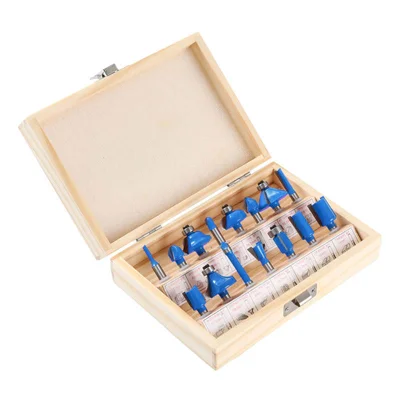
15-Piece Router Bit Set
Multi-size starter kit with carrying case
View on Alibaba →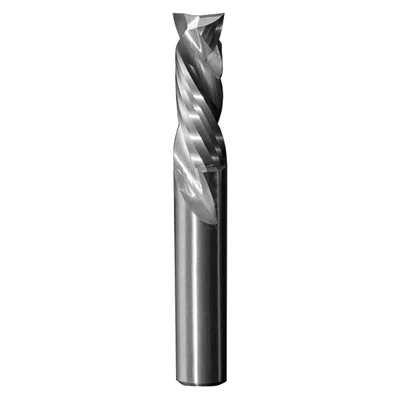
Compression Spiral Bits
Clean edges on plywood & MDF
View on Alibaba →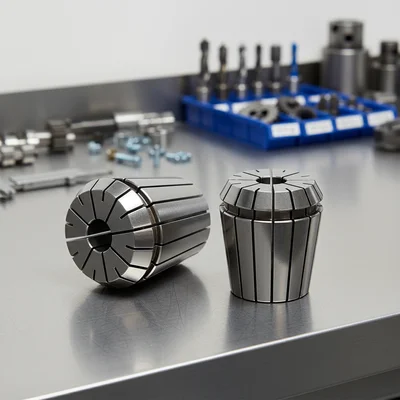
ER Collet Set
Precision holding, zero runout
View on Alibaba →As an Alibaba affiliate partner, we earn from qualifying purchases at no cost to you.