Setup Time Cost Calculator
Calculate the true cost of every machine setup — combining operator time and machine idle cost. See how setup cost is amortized across your batch and its impact on cost per unit.
Free Tool · Setup Cost · SMED · Batch Costing · Job QuotingTotal time from last good part of the previous job to first good part of the new job — includes teardown, fixture change, tool change, program load, trial run, and first-article approval.
Use the fully burdened rate: base wage + benefits + payroll taxes. Typically 30–50% above base wage.
Depreciation, tooling amortization, maintenance, and utilities still run while the machine is idle. Typical range: $20–$150/hr.
Complex jobs or large equipment may require 2+ operators simultaneously.
Number of good units produced after this setup. Used to calculate how much setup cost is added to each unit's cost.
Enter your setup parameters
then hit Calculate
Why Setup Cost Is Often Underestimated
Setup time is a period of pure cost with zero output. While the machine is being changed over, it still consumes depreciation, energy, and maintenance budget — and your operator is being paid. Both costs run simultaneously. Many shops track only the operator's time and forget that the machine clock never stops, leading to systematic underquoting of setup-heavy jobs.
Setup Cost per Unit = Total Setup Cost ÷ Batch Quantity
Setup % of Production Rate = Setup Hours × 100
🟡 Operator Cost During Setup
Every minute spent setting up is a minute not producing. If two operators are on the setup, both burdened wages run simultaneously. Always use the fully burdened rate — benefits and payroll taxes don't stop during setup any more than during production.
🔵 Machine Cost During Setup
Machine depreciation, planned maintenance costs, and energy draw continue during setup — the machine is just not producing parts. This "idle machine cost" is real and must be recovered from the job. For high-value equipment, machine cost can exceed operator cost even during setup.
🟢 Amortization Over Batch Size
Setup cost is a fixed cost per job — it doesn't grow with quantity. A $200 setup over 20 units adds $10 per unit. The same $200 setup over 2,000 units adds only $0.10 per unit. This is why batch size has such a dramatic impact on effective unit cost, and why small batches are expensive.
🟣 SMED — Reducing Setup Time
SMED (Single-Minute Exchange of Die) is the lean manufacturing methodology for reducing setup time, targeting sub-10-minute changeovers. Every minute cut from setup is a minute converted to productive output — and reduces the setup cost burden on every unit in every future run.
A setup cost should ideally represent no more than 5–10% of the total job's production cost. If setup cost is a larger proportion, either the batch size is too small, the setup time is too long, or both. Use this calculator to find the minimum economic batch size for your setup — the point at which setup cost per unit becomes acceptable for your margins.
3 Worked Examples
Setup time: 90 minutes (1.5 hrs) | 1 operator @ $30/hr | Machine rate: $70/hr
Setup cost = ($30 + $70) × 1.5 = $150.00
Batch of 100 units → Setup adds $1.50 per unit
Batch of 20 units → Setup adds $7.50 per unit — a meaningful cost difference.
Setup time: 2 hours | 2 operators @ $25/hr each | Machine rate: $90/hr
Setup cost = ($25 × 2 + $90) × 2 = ($50 + $90) × 2 = $280.00
Batch of 5,000 units → Setup adds $0.056 per unit — negligible.
Batch of 200 units → Setup adds $1.40 per unit — may affect margin.
Setup time: 25 minutes (0.42 hrs) | 1 operator @ $26/hr | Machine rate: $35/hr
Setup cost = ($26 + $35) × 0.417 = $25.42
Batch of 50 units → Setup adds $0.51 per unit — well controlled.
Short setup time on lower-rate equipment keeps cost manageable even for small batches.
Typical Setup Times by Process
| Process / Equipment | Typical Setup Time | Main Setup Activities | SMED Target |
|---|---|---|---|
| CNC Milling (3-axis) | 60 – 120 min | Fixture, tool offsets, program prove-out, first article | < 30 min |
| CNC Turning / Lathe | 30 – 90 min | Chuck jaws, tool change, program, first-off check | < 20 min |
| Injection Molding | 60 – 180 min | Mold swap, purge, temperature stabilization, trial shots | < 30 min |
| Press Brake | 15 – 45 min | Die change, back gauge setup, program entry, test bend | < 10 min |
| Stamping / Punch Press | 30 – 120 min | Die change, feed adjustment, trial run, first-off inspection | < 10 min |
| Welding Cell / Fixture | 20 – 60 min | Fixture swap, clamp adjustment, weld program, test weld | < 15 min |
| Manual Assembly Station | 10 – 30 min | Tooling, BOM review, fixture, workspace reorganization | < 5 min |
Frequently Asked Questions
The standard industry definition of setup time (also called changeover time) is the elapsed time from the last good part of the previous job to the first good part of the new job. This is sometimes called the P-to-P (part-to-part) definition and is the most complete and accurate way to measure setup.
Setup time typically includes all of the following phases:
- Preparation: Gathering tools, fixtures, programs, and materials for the next job before the machine even stops
- Teardown: Removing and storing tooling, fixtures, and materials from the previous job
- Changeover: Installing new fixtures, tools, dies, molds, or jaws
- Adjustment: Setting offsets, clearances, temperatures, pressures, and other parameters
- Trial run: Producing initial parts at reduced speed or with process adjustments
- First-article inspection: Verifying the first good part meets specification before full production begins
Many shops undercount setup time by starting the clock only when the tool change begins and stopping it before first-article approval — which systematically understates the true cost.
Because the costs that make up your machine rate don't stop when production pauses. Specifically:
- Depreciation is a fixed cost — the machine loses value every hour it exists, regardless of whether parts are coming out
- Lease or finance payments continue on a calendar schedule
- Energy consumption continues for spindle warm-up, coolant systems, control power, and air conditioning in the machine enclosure
- Maintenance cost amortization — your annual maintenance budget is divided over all scheduled hours, including setup hours
- Facility costs — the floor space the machine occupies costs money every hour
The only costs that don't apply during setup are cutting tool consumption and cycle-specific consumables. Everything else continues.
Setup cost is a fixed cost that gets divided across every unit in the batch. This means it has a profoundly different impact depending on batch size:
- A $300 setup over 10 units adds $30 per unit — often making the job uncompetitive or unprofitable
- The same $300 setup over 300 units adds $1 per unit — easy to absorb
- Over 3,000 units it adds only $0.10 per unit — essentially negligible
To calculate your minimum order quantity (MOQ): decide the maximum acceptable setup cost per unit (e.g., $2.00), then divide total setup cost by that figure: MOQ = $300 ÷ $2.00 = 150 units minimum.
SMED (Single-Minute Exchange of Die) is a lean manufacturing methodology developed by Shigeo Shingo that aims to reduce changeover times to under 10 minutes. The methodology consistently delivers 50–75% reductions in setup time when properly applied.
The core SMED approach has two steps:
- Separate internal and external setup activities: Internal activities can only happen when the machine is stopped. External activities can happen while the machine is still running. Moving as many activities as possible from internal to external is the biggest single source of time reduction.
- Convert and streamline: Standardize fixturing, use quick-release clamps, pre-set tool offsets offline, create setup carts with everything pre-staged, use standardized programs with minimal prove-out.
Cutting a 90-minute setup to 30 minutes on a machine with a combined rate of $100/hr saves $66.67 per changeover. At 200 changeovers per year, that is $13,333 recovered — from one machine.
Separate setup charge (recommended for job shops and custom work): Quote a one-time setup fee plus a per-unit running price. This is transparent, protects your margin on small batches, and is standard practice in many industries. Example: "$185 setup + $4.20 per unit."
Amortized into unit price: Roll setup cost into the unit price based on the expected order quantity. This looks simpler to the customer but creates risk: if they order fewer units than expected, you under-recover setup.
Whichever approach you use, always calculate the real setup cost first — this calculator gives you that number — so you know exactly what you need to recover before you set your quote.
Related Manufacturing Tools
Top Picks for CNC Router Tooling
Professional-grade carbide tools ready to ship. Click any product to view details and pricing.
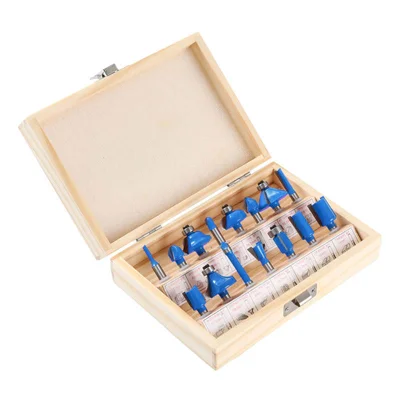
15-Piece Router Bit Set
Multi-size starter kit with carrying case
View on Alibaba →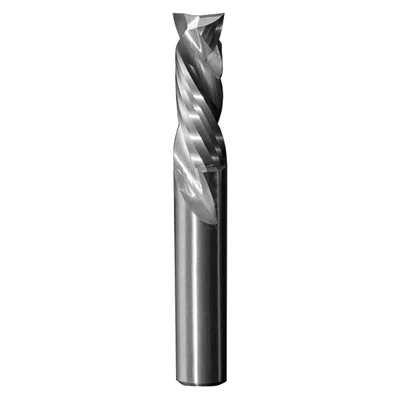
Compression Spiral Bits
Clean edges on plywood & MDF
View on Alibaba →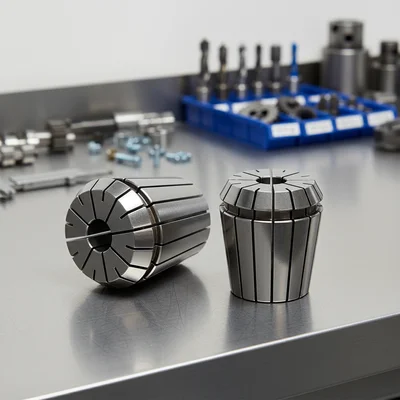
ER Collet Set
Precision holding, zero runout
View on Alibaba →As an Alibaba affiliate partner, we earn from qualifying purchases at no cost to you.