Fence Gate Cost Estimator
Enter gate size, material, and hardware grade to get a full cost breakdown — materials, posts, hardware list, DIY vs. pro labor, and an optional gate opener add-on.
Free Tool · Wood · Vinyl · Aluminum · Chain Link · Hardware List · DIY vs. ProMost HOAs cap fence and gate height at 6 ft in the backyard and 4 ft in the front yard. Check local codes before building.
Walk-through gates are typically 3–4 ft wide. Driveway gates need 10–16 ft of total opening to fit a car (10 ft minimum, 14–16 ft for trucks/RVs).
Swing gates are simpler and cheaper. Slide gates cost 20–40% more due to track hardware and rollers — useful on slopes or tight driveways.
Match gate material to your existing fence. Pressure-treated pine is the most affordable; cedar resists rot and looks better long-term. Aluminum and vinyl never rust or rot.
Standard hardware works for most residential walk-through gates. Heavy-duty is recommended for gates wider than 5 ft or made of steel/iron. Decorative hardware adds $100–$300 but significantly upgrades curb appeal.
Gate posts carry all the weight and swing force. Always use 6×6 posts for gates over 4 ft wide or 5 ft tall. Set in concrete at 1/3 of total post length below grade.
Automatic openers add significant value for driveway gates. Budget separately for electrical conduit run if power isn't near the gate location ($200–$600 extra).
Installed cost range including materials, hardware, posts, and labor. Your estimate may vary by region.
| Gate Specifications | |
| Gate dimensions | — |
| Gate type | — |
| Gate operation | — |
| Material | — |
| Hardware grade | — |
| Cost Breakdown | |
| Gate panel / kit material | — |
| Posts (qty + material) | — |
| Concrete for posts | — |
| Hardware (hinges, latch, etc.) | — |
| Gate opener (if selected) | — |
| Total materials (DIY) | — |
| Labor estimate (professional) | — |
| Total installed (professional) | — |
What Goes Into Fence Gate Costs
Gate costs have four main components: the gate panel or kit (material and size), gate posts (two per gate, set in concrete), hardware (hinges, latch, handle, anti-sag kit), and labor if you hire out. Driveway gates cost 3–5× more than walk-through gates because of size, heavier posts, and often automation. The material choice has the biggest impact on long-term cost — wood is cheapest upfront but needs maintenance; aluminum and vinyl cost more now but last decades with minimal upkeep.
1 Gate Panel Cost
Panel cost scales with material and square footage. A 4×6 ft wood gate uses ~24 sq ft of material. Chain link and vinyl are sold as kits by width/height. Steel and aluminum are priced per gate or per sq ft of panel. Custom sizes cost significantly more than standard.
2 Posts & Concrete
Every gate needs two posts — one on each side of the opening. Gate posts must be larger than fence posts: use 6×6 for gates over 4 ft wide. Posts are set 24–36 inches deep in concrete. Each post needs 1–2 bags of 60 lb fast-setting concrete.
3 Hardware
A walk-through gate needs: 2–3 hinges, 1 latch/lock, 1 handle, and optionally an anti-sag kit and post caps. Heavy gates need 3+ heavy-duty hinges. Decorative hardware can add $100–$350 but dramatically improves curb appeal.
4 Labor
Professional installation runs $50–$80/hr. A walk-through gate takes 3–5 hours; a driveway gate takes 6–12 hours. Difficult terrain, concrete removal, or automation adds time. DIY saves $150–$600 on walk-through, $400–$900 on driveway gates.
1. Dig posts to frost depth — in cold climates, gate posts must extend below the frost line (24–48 inches depending on region). Shallow posts heave in winter and cause gates to sag or drag within 1–2 seasons.
2. Plumb is everything — a gate post that's 1/4 inch out of plumb at the base can be 2+ inches out at the top. Check plumb on all four faces before the concrete sets.
3. Brace before you hang — use a diagonal anti-sag cable or rod kit on any gate wider than 4 feet. Wood gates especially tend to rack over time without diagonal bracing.
4. Leave swing clearance — swing gates need clear space equal to the gate width. On slopes, plan which direction the gate swings.
5. Use stainless or hot-dip galvanized hardware outdoors — zinc-plated hardware from discount retailers rusts within 2 years. In coastal climates use stainless steel 304+.
Example Estimates — 3 Common Residential Gate Projects
These worked examples show the estimator across three typical U.S. residential gate projects based on current national average material and labor pricing.
Pro installed: ~$550–$900
Pro installed: ~$1,400–$2,500
Pro installed: ~$4,500–$8,000
Gate Material Comparison — Quick Reference
Walk-through gate cost ranges (installed by professional) for a standard 4 ft wide × 6 ft tall single-swing gate.
| Material | DIY Cost | Installed | Lifespan | Maintenance | Best For |
|---|---|---|---|---|---|
| Wood (PT Pine) Budget | $150–$300 | $350–$600 | 15–20 yr | Stain every 2–3 yr | Budget, DIY-friendly |
| Wood (Cedar) | $250–$450 | $450–$900 | 20–30 yr | Seal every 3 yr | Natural look, rot-resistant |
| Vinyl / PVC Low Maint. | $200–$500 | $400–$900 | 30+ yr | Rinse only | No painting, clean look |
| Aluminum Popular | $300–$800 | $600–$1,500 | 30+ yr | Minimal | No rust, curb appeal |
| Chain Link | $100–$250 | $250–$500 | 20–25 yr | Galv. touch-ups | Economy, secure |
| Steel / Wrought Iron Premium | $400–$1,200 | $700–$2,000 | 40+ yr | Paint every 5–7 yr | Security, high-end |
Frequently Asked Questions
Related Home & DIY Tools
Top Picks for CNC Router Tooling
Professional-grade carbide tools ready to ship. Click any product to view details and pricing.

15-Piece Router Bit Set
Multi-size starter kit with carrying case
View on Alibaba →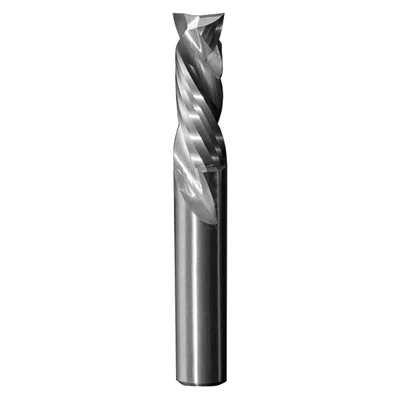
Compression Spiral Bits
Clean edges on plywood & MDF
View on Alibaba →
ER Collet Set
Precision holding, zero runout
View on Alibaba →As an Alibaba affiliate partner, we earn from qualifying purchases at no cost to you.