Fence Post Spacing & Material Calculator
Enter your fence length, spacing, and type to instantly calculate post count, adjusted even spacing, rails, pickets/boards, concrete bags, and post hole depth.
Free Tool · IRC Guidelines · Posts · Rails · ConcreteFence type affects default spacing, rails per section, and whether picket/board count is calculated.
Measure the full perimeter or run you plan to fence, in feet.
8 ft is the U.S. standard for wood and vinyl. 10 ft is typical for chain-link.
Most local codes allow 6 ft in backyard, 3–4 ft in front yard.
How Fence Post Spacing Is Calculated
Sizing a fence project correctly requires four steps: (1) determine post count from fence length and spacing, (2) adjust to even bay spacing, (3) count rails and boards for your fence type, and (4) size each post hole for burial depth and concrete. Always include extra posts for corners, ends, and each side of every gate.
🟢 Post Count
Divide total fence length by desired spacing, then add 1 for the end post. Add 2 posts for every gate (one on each side). Corner posts are included in the base count for straight runs.
🔵 Even Spacing
After rounding post count up, recalculate the actual spacing so all bays are perfectly equal. This avoids a short odd bay at the end and gives a professional, uniform look.
🟡 Rails & Pickets
Rails run horizontally between posts. Wood privacy fences need 3 rails for 6 ft, pickets use 2–3. Picket count uses section width ÷ (board width + gap), multiplied by sections.
🔴 Post Depth & Concrete
Bury posts at least 1/3 of total post length and always below your local frost line. Each 4×4 post in a standard 12-in diameter hole at 24–30 in deep needs 2 bags of 80-lb concrete.
The calculator automatically adjusts your desired spacing to create perfectly equal bays. A 100 ft fence at 8 ft spacing results in 12.5 bays — the calculator rounds to 13 bays at 7.69 ft each. This avoids a short awkward panel at the end. Always set corner and end posts first, then string a line and work inward for best results.
3 Real-World Example Calculations
Boards: ~296 · Concrete: 44 bags
Pickets: ~110 · Concrete: 28 bags
Boards: N/A · Concrete: 106 bags
Fence Post Spacing — Quick Reference by Type
| Fence Type | Standard Spacing | High Wind | Post Size | Rails/Section | Burial Depth |
|---|---|---|---|---|---|
| Wood PrivacyMost Common | 8 ft | 6 ft | 4×4 | 3 | 2 ft min |
| Wood Picket | 8 ft | 6 ft | 4×4 | 2–3 | 1.5 ft min |
| Vinyl PanelManufacturer | 6–8 ft | 6 ft | 5×5 | 2 | 2 ft min |
| Chain-Link | 10 ft | 8 ft | 2″ OD pipe | 1 top rail | 2.5 ft min |
| Split RailRanch | 8–10 ft | 8 ft | 4×4 or 5 in round | 2–3 | 2 ft min |
| Agricultural Wire | 10–16 ft | 10 ft | T-post or 4×4 | — | 18 in min |
Frost Line Depth by Climate Zone
Posts must be set below the local frost line to prevent heaving. Always verify your local building code — frost depths vary by county.
Frequently Asked Questions
When you divide your total fence length by your desired spacing, the result is almost never a whole number. The calculator rounds up the post count and recalculates the actual spacing to create perfectly equal bays. This avoids a short, awkward panel at the end and gives your fence a more professional, uniform appearance. The adjustment is typically just a few inches.
For a standard 4×4 post in a 10–12 in diameter hole at 24–30 in deep, plan on 2 bags of 80-lb concrete per post. Gate posts and corner posts that experience extra lateral stress should use 3 bags each in a wider, deeper hole. Always add 6 in of gravel at the bottom of the hole for drainage.
The industry standard is to bury at least 1/3 of the total post length. For a 6-ft fence with 8-ft posts, that means 2 ft of burial. However, in cold climates the frost line requirement overrides this — posts must go below the local frost line (24–60+ inches depending on your region) to prevent seasonal heaving.
Many municipalities require a permit for fences over 4 feet tall, fences along property lines, or fences in flood zones. Height limits are typically 4 ft in front yards and 6 ft in backyards. Always check with your local zoning or building department before digging.
Line posts are the standard posts spaced evenly along a straight run. Corner posts are placed at every direction change. Gate posts flank each opening and must support the weight and swing of the gate — they should always be one size larger (4×4 for walk gates, 6×6 for drive gates) and set with extra concrete.
Related DIY Tools
Top Picks for CNC Router Tooling
Professional-grade carbide tools ready to ship. Click any product to view details and pricing.
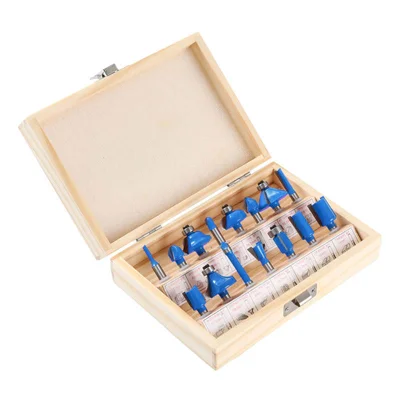
15-Piece Router Bit Set
Multi-size starter kit with carrying case
View on Alibaba →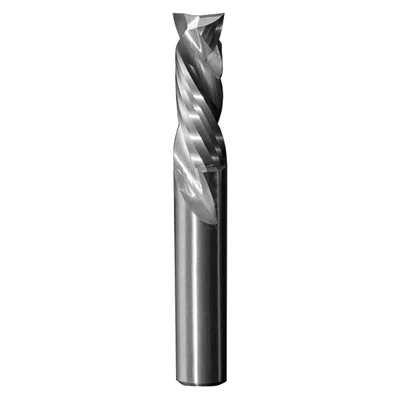
Compression Spiral Bits
Clean edges on plywood & MDF
View on Alibaba →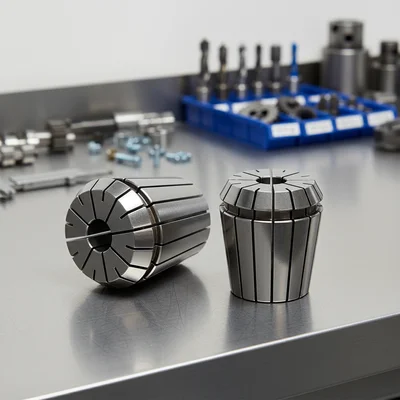
ER Collet Set
Precision holding, zero runout
View on Alibaba →As an Alibaba affiliate partner, we earn from qualifying purchases at no cost to you.