Tile Flooring Estimator
Enter your room size, tile dimensions, layout pattern, and price per square foot to instantly calculate how many tiles you need — including waste, cut tiles, boxes to buy, and total material cost.
Free Tool · Tiles & Boxes · Waste Factor · Material CostLarger grout joints slightly reduce the number of tiles needed.
Ceramic ~$1–5 · Porcelain ~$3–10 · Natural Stone ~$5–25+
Add 5% for small/tricky rooms. Add 10–15% for natural stone or specialty tiles.
Enter room & tile specs
then hit Estimate
How Tile Quantity Is Calculated
The biggest mistake in tile projects is ordering the exact square footage with no waste factor. Every room has corners, edges, and obstacles that require cut tiles — and cut tiles produce scrap. The pattern you choose has the single biggest impact on how much extra tile you'll need: a diagonal or herringbone layout can waste 15–20% more material than a simple straight grid.
1 Room Area
Total floor area to tile. For a simple rectangle, multiply length by width. For L-shaped or irregular rooms, break into rectangles and add them up. Always measure twice before ordering.
2 Tile Area
Each tile's effective coverage including the grout joint on two sides. This slightly increases the tile's footprint vs. its nominal size — reducing the tile count compared to ignoring grout entirely.
3 Waste Factor
Pattern-driven waste is added on top of base tile count. Straight grid: 10%. Offset/brick: 12%. Diagonal 45°: 15%. Herringbone: 20%. Add more for tricky rooms or breakage-prone stone tiles.
4 Boxes to Buy
Divide total tiles needed by tiles per box, then round up. You'll almost always end up with a few extra tiles in the last box — store these for future repairs. Never discard them.
Tile color and texture can vary between production runs (called "lot" or "shade" numbers printed on the box). If you order a second batch later, it may not match perfectly — a mismatch most visible under raking light. Order all your tile at once from the same lot. If a box is damaged at the store, swap it before leaving, not after cutting into tiles. For natural stone or handmade tile, add 15% buffer minimum as breakage rates are significantly higher.
Waste Factor by Layout Pattern — Quick Reference
Industry-standard waste factors used by professional tile installers. Based on TCNA guidelines and 2025–2026 contractor data.
| Pattern | Waste Factor | Why More Waste? | Best For |
|---|---|---|---|
| Straight GridLeast Waste | 10% | Cuts align with room edges — minimal scrap | Kitchens, hallways, rectangular rooms |
| Offset / Brick (33%) | 12% | Staggered joints create more edge cuts at walls | Bathrooms, subway-style floors, entryways |
| Diagonal 45°Moderate | 15% | Every edge tile is cut at 45° — unusable triangles | Diamonds in foyers, small bathrooms |
| HerringboneMost Waste | 20% | Angle cuts on both ends of perimeter tiles | Luxury bathrooms, feature floors |
| Complex / Custom | 25–30% | Inlays and medallions require precise cuts with significant scrap | High-end custom work only |
Frequently Asked Questions
Related DIY Tools
Top Picks for CNC Router Tooling
Professional-grade carbide tools ready to ship. Click any product to view details and pricing.
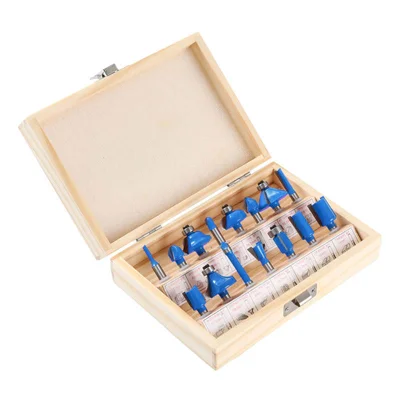
15-Piece Router Bit Set
Multi-size starter kit with carrying case
View on Alibaba →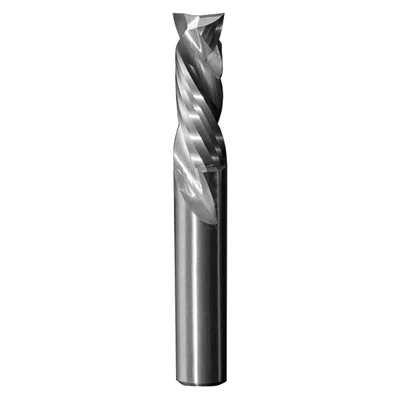
Compression Spiral Bits
Clean edges on plywood & MDF
View on Alibaba →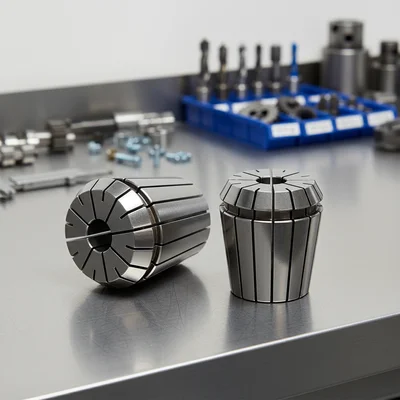
ER Collet Set
Precision holding, zero runout
View on Alibaba →As an Alibaba affiliate partner, we earn from qualifying purchases at no cost to you.