Flash Steam Calculator
Calculate flash steam percentage, flow rate (lb/hr), heat energy recovered (BTU/hr), remaining condensate, and flash vent pipe sizing when high-pressure condensate drops to lower pressure. Built for U.S. industrial steam systems.
Free Tool · % Flash · lb/hr Flow · BTU/hr Recovery · Pipe Sizing · No LoginSteam trap mode: hot condensate discharging from process equipment through steam traps to lower-pressure condensate return header.
Operating pressure on condensate before the trap or blowdown valve.
Flash vessel, low-pressure header, or atmosphere.
Total condensate entering the flash vessel or trap station. For boiler blowdown, enter blowdown rate (typically 2–5% of steam output lb/hr).
Flash vent (steam outlet) pipe from flash vessel. Max recommended velocity: 3,000–4,000 ft/min. Calculator will flag oversized/undersized.
Used to calculate annual heat energy recovered from flash steam vs. vented to atmosphere.
| Pressure & Temperature | |
| High-pressure side (P₁) | — |
| Saturation temp at P₁ (T₁) | — |
| hf at P₁ (sensible heat) | — |
| Low-pressure side (P₂) | — |
| Saturation temp at P₂ (T₂) | — |
| hf at P₂ (sensible heat) | — |
| hfg at P₂ (latent heat) | — |
| Flash Steam Results | |
| Enthalpy available for flashing | — |
| Flash steam fraction | — |
| Flash steam flow rate | — |
| Remaining condensate | — |
| Condensate GPM (liquid) | — |
| Heat energy in flash steam | — |
| Flash Vent Pipe Check | |
| Specific volume of steam at P₂ | — |
| Volumetric flash steam flow | — |
| Vent pipe selected | — |
| Pipe flow area | — |
| Steam velocity in vent pipe | — |
| Velocity assessment | — |
| Energy Value | |
| Heat recovered (BTU/hr) | — |
| Annual energy recovered | — |
| Annual value at fuel cost | — |
| Mode | — |
When high-pressure condensate passes through a trap or control valve, enthalpy is conserved — excess sensible heat converts to latent heat, generating flash steam. The flash vessel separates steam from liquid. The steam rises to the vent (or low-pressure header); the liquid drains to the condensate return system.
How Flash Steam Works — The Physics
Flash steam is not a malfunction — it is thermodynamic physics. When hot condensate at high pressure passes through a steam trap or control valve, its pressure drops suddenly. The saturation temperature at the lower pressure is lower than the condensate temperature, so the condensate contains too much energy to remain entirely liquid. The excess enthalpy vaporizes a fraction of the condensate into steam. This is flash steam — physically identical to live steam, usable for any low-pressure heating application.
1 The Core Formula
Flash steam fraction is determined entirely by enthalpy: how much sensible heat the condensate loses when pressure drops, divided by the latent heat available at the new pressure. Uses ASME steam tables for hf and hfg values.
2 Flash Steam Flow Rates
Once you know the flash fraction, converting to mass flow and volumetric flow is straightforward. The volume of steam is 1,600× larger than the same mass of water — this is why flash steam creates large vapor clouds at trap discharge points.
3 Heat Energy Recovered
Flash steam carries its full latent heat content. Recovering this to a low-pressure steam header or heat exchanger instead of venting it to atmosphere recovers real fuel dollars. The DOE estimates most plants lose $50,000–$500,000/yr by not recovering flash steam.
4 Flash Vent Pipe Sizing
The flash vent pipe (steam outlet from flash vessel) must handle the volumetric flow of steam at the low pressure. Undersized pipe causes excessive backpressure and reduces flash efficiency. Max recommended velocity is 3,000–4,000 ft/min for flash steam piping.
Most industrial plants vent flash steam to atmosphere through a "flash vent" or "catch tank" because they don't have a low-pressure steam header. This is the single largest source of preventable steam waste in many facilities. Flash steam is identical to live steam — it can directly supply any process running at the flash vessel pressure. A flash vessel with a connection to a 15 psig heating header typically pays back in 3–8 months at natural gas prices above $6/MMBtu. If your plant has both high-pressure process equipment and low-pressure heating loads, flash steam recovery is almost always economically justified.
Worked Examples — 3 Real Plant Scenarios
Heat: ~855,000 BTU/hr
Annual value: ~$60,000/yr
Heat: ~95,000 BTU/hr
Annual value: ~$7,500/yr
Heat: ~1,240,000 BTU/hr
Annual value: ~$109,000/yr
Flash Steam % Reference Table — Common Pressure Combinations
| High-Pressure Side (P₁) | Flash to Atm (0 psig) | Flash to 15 psig | Flash to 30 psig | Flash to 50 psig |
|---|---|---|---|---|
| 15 psig (250°F) | 7.0% | — | — | — |
| 30 psig (274°F) | 9.7% | 2.9% | — | — |
| 50 psig (298°F) | 12.1% | 5.5% | 2.6% | — |
| 100 psig (338°F) | 16.3% | 9.9% | 7.1% | 4.4% |
| 125 psig (353°F) | 14.9% | 11.6% | 8.8% | 6.1% |
| 150 psig (366°F) | 19.2% | 13.0% | 10.2% | 7.6% |
| 200 psig (388°F) | 21.4% | 15.4% | 12.6% | 10.1% |
| 300 psig (421°F) | 25.2% | 19.4% | 16.7% | 14.2% |
| 400 psig (448°F) | 28.3% | 22.7% | 20.0% | 17.6% |
| 600 psig (489°F) | 33.1% | 27.8% | 25.1% | 22.8% |
Frequently Asked Questions
Related Industrial Tools
Top Picks for CNC Router Tooling
Professional-grade carbide tools ready to ship. Click any product to view details and pricing.
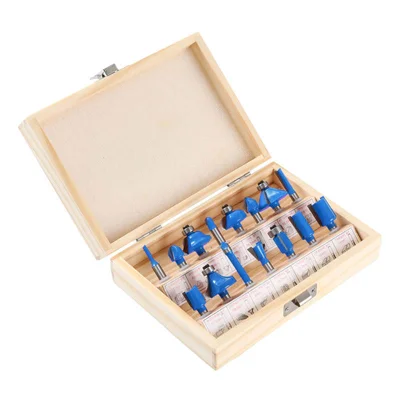
15-Piece Router Bit Set
Multi-size starter kit with carrying case
View on Alibaba →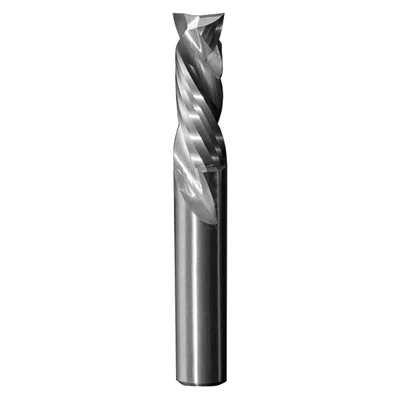
Compression Spiral Bits
Clean edges on plywood & MDF
View on Alibaba →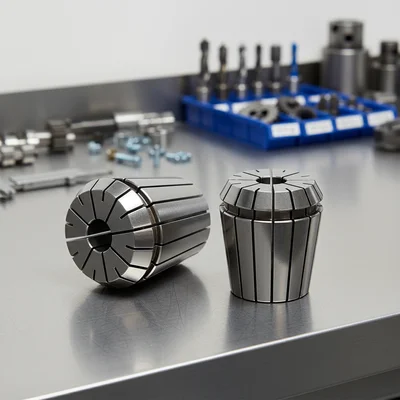
ER Collet Set
Precision holding, zero runout
View on Alibaba →As an Alibaba affiliate partner, we earn from qualifying purchases at no cost to you.