Pump Power & Efficiency Calculator
Calculate hydraulic horsepower (WHP), brake horsepower (BHP), motor HP, kW input, wire-to-water efficiency, and annual energy cost. For centrifugal pumps in industrial process, HVAC, and cooling water systems.
Free Tool · WHP · BHP · Motor HP · kW · $/yr Energy CostPSI mode: total differential pressure across the pump. TDH mode: total dynamic head in feet of water. 1 PSI = 2.31 ft head for water (SG=1.0).
Typical centrifugal pumps: 60–85% at BEP. Small pumps (<10 HP): 55–72%. Use nameplate or pump curve value.
NEMA Premium motors: 91–96%. Standard efficiency: 85–91%. Use nameplate value if available.
US average industrial rate: $0.08–$0.14/kWh. 8,760 = 24/7 continuous.
| Power Chain | |
| Water / hydraulic HP (WHP) | — |
| Brake HP (BHP = WHP ÷ pump eff.) | — |
| Motor input power | — |
| Wire-to-water efficiency | — |
| Motor Sizing (NEC Art. 430) | |
| BHP at pump shaft | — |
| Required motor HP (BHP ÷ motor eff.) | — |
| Selected motor size (next standard) | — |
| Motor service factor margin | — |
| Energy & Economics | |
| Annual energy consumption | — |
| Annual energy cost | — |
| VFD savings (80% avg speed) | — |
| 10-year energy cost (no VFD) | — |
| Fluid & System | |
| Flow rate | — |
| Pressure / TDH | — |
| Fluid specific gravity | — |
| Pump efficiency | — |
| Motor efficiency | — |
Wire-to-water efficiency = WHP ÷ kW input × 100%. Every percentage point of efficiency improvement reduces annual energy cost directly. Spinning impeller animation runs continuously to indicate pump operation.
How Pump Power Is Calculated
Pump power calculations follow a simple chain: fluid energy (WHP) → shaft energy (BHP) → electrical energy (kW). Each step has losses. A pump that delivers 50 HP of fluid energy might require 75 kW of electricity — and cost $78,000 per year to run continuously. Knowing these numbers before you buy the motor prevents costly oversizing and justifies premium efficiency equipment.
1 Water Horsepower (WHP)
WHP is the theoretical power added to the fluid — the actual useful work done by the pump. It depends only on flow rate, pressure, and fluid specific gravity. This is what the pump does for your process.
2 Brake Horsepower (BHP)
BHP is the actual shaft power the motor must deliver to the pump. Higher than WHP because the pump is not 100% efficient — some energy is lost to turbulence, seal friction, and disc friction inside the pump casing.
3 Motor HP & kW Input
The motor must supply BHP at the shaft while overcoming its own internal losses. Select the next standard NEMA motor size above the required input HP. Multiply by 0.746 to convert HP to kW.
4 VFD Savings
A Variable Frequency Drive reduces pump speed to match actual demand. Because pump power varies with the cube of speed, running at 80% speed cuts power by nearly 50%. VFDs pay back in 1–3 years for continuously running pumps.
Most plant managers underestimate VFD savings because they think linearly. If a pump runs at 80% of full flow, they assume 80% of full power — wrong. Pump power follows the cube of speed ratio. Running at 80% speed = 80³ = 51.2% of full power. That's a 49% power reduction for a 20% reduction in flow. On a 50 HP pump running 8,760 hours at $0.12/kWh, the annual savings from running at 80% average speed is approximately $13,000 per year. A $15,000 VFD pays back in 14 months.
Worked Examples — 3 Industrial Pump Applications
Motor: 30 HP · Cost: $20,900/yr
Motor: 40 HP · Cost: $11,000/yr
Motor: 15 HP · Cost: $7,200/yr
Standard NEMA Motor Sizes & Efficiency Guide
| Motor HP | Typical BHP Range | NEMA Premium Eff. % | Standard Eff. % | Annual Savings vs Standard* |
|---|---|---|---|---|
| 5 HP | 3.5–4.5 | 89.5% | 85.5% | ~$180/yr |
| 10 HP | 7–9 | 91.7% | 88.5% | ~$290/yr |
| 15 HP | 10–13 | 92.4% | 89.5% | ~$380/yr |
| 20 HP | 14–17 | 93.0% | 90.2% | ~$480/yr |
| 30 HP | 21–26 | 93.6% | 91.0% | ~$610/yr |
| 50 HP | 35–43 | 94.1% | 92.4% | ~$700/yr |
| 75 HP | 52–65 | 94.5% | 93.0% | ~$870/yr |
| 100 HP | 70–87 | 95.0% | 93.6% | ~$1,100/yr |
*Savings estimated at 8,760 hr/yr, $0.12/kWh, full load. Actual savings depend on load factor and operating hours.
Frequently Asked Questions
Related Industrial Tools
Top Picks for CNC Router Tooling
Professional-grade carbide tools ready to ship. Click any product to view details and pricing.
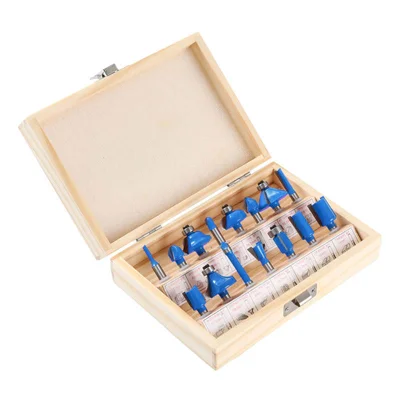
15-Piece Router Bit Set
Multi-size starter kit with carrying case
View on Alibaba →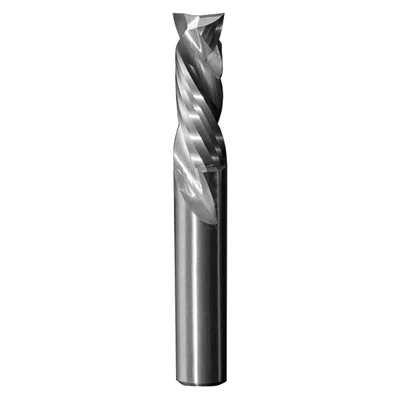
Compression Spiral Bits
Clean edges on plywood & MDF
View on Alibaba →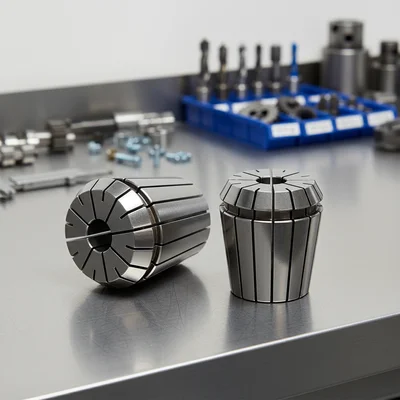
ER Collet Set
Precision holding, zero runout
View on Alibaba →As an Alibaba affiliate partner, we earn from qualifying purchases at no cost to you.