Cost per Area Calculator
Select your work type, enter the area size, and choose a material grade to instantly get total project cost, cost per sq ft, line-item breakdown, and a DIY vs. professional comparison.
Free Tool · Tile · Concrete · Flooring · Painting · Epoxy · DIY vs. ProIf you enter sq ft directly, length × width fields are ignored. Useful for irregular room shapes.
Grade affects material cost per sq ft. Labor cost is relatively consistent across grades — premium materials take slightly longer to install.
How to Calculate Cost per Area for Surface Work
Every surface project — tile, concrete, flooring, or paint — follows the same financial structure: Total Cost = (Area × Material Cost/SF) + (Area × Labor Cost/SF) + Prep & Add-ons. The key variables are the work type, material grade, waste factor (always buy extra), and whether you DIY or hire out. Labor typically accounts for 40–60% of total project cost on most surface work.
1 Measure & Waste Factor
Measure length × width for the net area. Always add a waste factor — 10% for straight patterns, 15% for diagonal tile, 10% for concrete, 5–10% for flooring. Buy to the waste-adjusted total, not the net area.
2 Material vs. Labor Split
Most surface projects split roughly 40–60% materials and 40–60% labor. Premium tile with basic installation is materials-heavy. Budget tile with complex pattern is labor-heavy.
3 Add-On Costs
Most estimates miss prep costs. Old surface removal, subfloor repair, waterproofing membranes, and sealing add $2–$10/SF to tile and flooring projects. Always ask contractors to itemize these separately.
4 DIY Savings
DIY saves the labor cost (40–60% of total) but requires tools, time, and skill. Tile and concrete are the hardest to DIY well. Painting and laminate flooring are the most DIY-friendly surface projects.
1. Always specify the work scope — "install 150 SF of ceramic tile" is not enough. State: floor or wall? Tile size? Pattern (straight or diagonal)? Is old flooring removed?
2. Get three itemized quotes — ask for materials and labor as separate line items. A contractor who gives only a lump sum is harder to compare.
3. Clarify what's excluded — most tile quotes exclude subfloor repair, waterproofing, and grout sealing. These are the budget-killers when discovered mid-project.
4. Order 10–15% more tile than you think you need — ordering from the same dye lot matters. If you run short and reorder weeks later, color variation between production batches is common and hard to fix.
Cost Per Sq Ft Reference — Common Surface Work
National average ranges for U.S. residential projects. Actual costs vary by region, contractor, and market conditions. Always get local quotes.
| Work Type | Material ($/SF) | Labor ($/SF) | Total Installed | Waste Factor | DIY Friendly? |
|---|---|---|---|---|---|
| Ceramic Tile Popular | $3–10 | $5–15 | $10–40/SF | 10–15% | Moderate |
| Porcelain Tile | $5–15 | $7–20 | $15–50/SF | 10–15% | Difficult |
| Natural Stone | $10–30 | $10–22 | $20–70/SF | 10–15% | Hard |
| Concrete Slab Structural | $3–7 | $3–5 | $6–15/SF | 10% | Not Recommended |
| Epoxy Coating | $2–8 | $1–7 | $3–12/SF | 5% | Moderate |
| Hardwood Floor | $3–10 | $3–8 | $8–20/SF | 10% | Moderate |
| Laminate Easy DIY | $2–8 | $2–5 | $4–14/SF | 10% | Easy |
| Carpet | $2–10 | $1–3 | $3–13/SF | 10% | Easy |
| Interior Paint | $0.50–1.50 | $1–3 | $2–6/SF | N/A | Very Easy |
Frequently Asked Questions
Related Home & DIY Tools
Top Picks for CNC Router Tooling
Professional-grade carbide tools ready to ship. Click any product to view details and pricing.
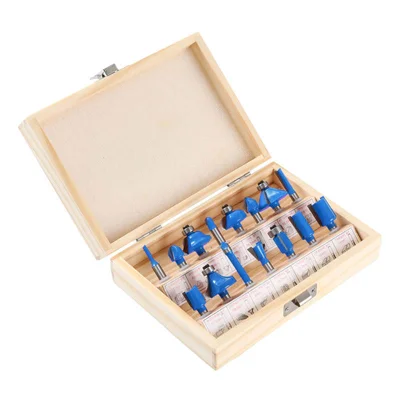
15-Piece Router Bit Set
Multi-size starter kit with carrying case
View on Alibaba →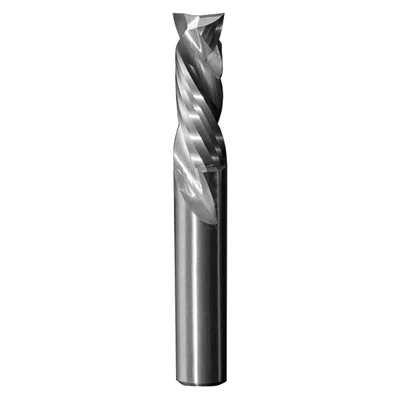
Compression Spiral Bits
Clean edges on plywood & MDF
View on Alibaba →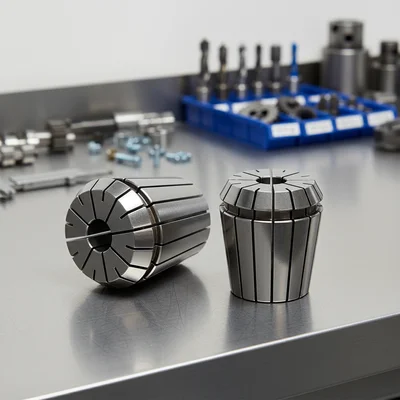
ER Collet Set
Precision holding, zero runout
View on Alibaba →As an Alibaba affiliate partner, we earn from qualifying purchases at no cost to you.