Drywall Sheets Calculator
Enter room dimensions, sheet size, and openings to instantly calculate drywall sheets needed — plus joint compound, screws, tape, and corner bead for the full job.
Free Tool · Instant Results · Full Materials ListStandard U.S.: 8 ft (older), 9 ft (modern), 10 ft (luxury). Use 4×10 or 4×12 sheets for 9–10 ft ceilings to avoid horizontal seams.
Large pass-throughs, arches, fireplaces, or non-standard openings not counted above.
5/8 in is required for ceilings and fire-rated assemblies. Always use 5/8 in on ceilings to prevent sag.
Standard 4×8 ½ in: $10–$20 · 4×12: $18–$28 · Moisture/fire-rated: $20–$35 per sheet.
Each outside corner needs 1 metal or vinyl bead (8 ft stick). Count any exterior wall corners in the room.
10% simple rooms · 15% many cuts or angles · 20% complex layouts or first-time DIY
How Drywall Quantity Is Calculated
The most common drywall estimating mistake is ordering the exact square footage with no waste buffer. Every room has corners, outlets, switches, and openings that require cut sheets — and cut pieces produce scrap you cannot reuse. Add at least 10% waste for simple rooms, more for complex layouts. Never round down when buying sheets.
🟢 Wall Area
Multiply room perimeter by ceiling height to get gross wall area. Subtract door and window openings. The result is your net wall area — the actual surface to be covered.
🔵 Total Area
Add net wall area to ceiling area if drywalling the ceiling. Ceiling area is simply room length × width. Then apply your waste factor to this combined total.
🟡 Sheet Count
Divide total area (with waste) by the square footage of one sheet. Always round up to a whole sheet — you cannot buy fractions. Add 1–2 extra sheets for first-time DIYers.
🟣 Finishing Materials
Each 4×8 sheet needs ~12–16 ft of tape, ~1.5 lbs of joint compound per coat, and ~32 screws. Corner bead goes on every outside corner. Scale all quantities with your sheet count.
Industry standard is to hang drywall perpendicular to studs (horizontally). This reduces vertical seams, distributes load across more studs, and produces a stronger wall. On 9-ft walls, a 4×10 sheet covers the full height with a single horizontal seam near the middle — far easier to tape than a vertical butt joint. On 8-ft walls, a 4×8 sheet covers the full height with zero horizontal seams.
3 Example Project Scenarios
Click any scenario to load its values into the calculator and see the full breakdown instantly.
Standard Bedroom
Openings: 1 door · 2 windows
Sheet: 4×10 ft · ½ in · Waste: 10%
4×10 drywall
Basement Finish
Openings: 2 doors · 3 windows
Sheet: 4×8 ft · ½ in · Waste: 15%
4×8 drywall
Open Living Room
Openings: 1 door · 4 windows
Sheet: 4×12 ft · 5/8 in · Waste: 10%
4×12 drywall
Drywall Thickness Guide
Thickness affects weight, cost, strength, fire resistance, and sound control. Choosing wrong can violate building codes or cause ceiling sag.
| Thickness | Weight (4×8) | Best Application | Notes |
|---|---|---|---|
| 1/4 in | ~29 lbs | Curved walls, overlay over existing drywall | Not structural — must be applied over another layer |
| 3/8 in | ~44 lbs | Ceiling repairs, light-duty residential | Less common, being phased out by most contractors |
| 1/2 in | ~57 lbs | Standard interior walls, 16″ stud spacing | Most stocked size — widest color/product selection |
| 5/8 in | ~70 lbs | Ceilings, 24″ stud spacing, fire-rated walls, garages | Required by code for most ceiling applications. Type X = fire-rated. |
Frequently Asked Questions
A 12×12 room with 8-foot ceilings has a gross wall area of 2×(12+12)×8 = 384 sq ft. Subtract a standard door (21 sq ft) and two windows (30 sq ft), leaving about 333 sq ft net wall area. Add the ceiling (144 sq ft) for a combined 477 sq ft. With 10% waste you need 525 sq ft. At 32 sq ft per 4×8 sheet, that's about 17 sheets. Using 4×12 sheets (48 sq ft each), you'd need 11 sheets — a meaningful reduction in seams and finishing work. Always buy at least one extra sheet for mistakes.
For DIY projects or rooms with standard 8-ft ceilings, 4×8 sheets are easier to carry, maneuver through doorways, and cut alone. For 9-ft ceilings, a 4×10 sheet covers the full wall height in one piece — significantly reducing taping labor. For 10-ft ceilings or large rooms, 4×12 sheets minimize butt joints, which are the hardest seams to finish smoothly. The downside: larger sheets are heavier (a 4×12 ½-inch sheet weighs ~80 lbs), require two people, and may not fit in a standard pickup truck.
A standard three-coat finish requires approximately 1 gallon of pre-mixed joint compound per 100 square feet. A 5-gallon bucket covers about 500 sq ft with three coats. For a 4×8 sheet, plan on about 4–5 lbs total across all three coats. Buy setting-type compound (powder) for the tape coat in heavily textured or humid applications — it dries faster and stronger than pre-mixed.
Yes. In bathrooms, use moisture-resistant (MR) drywall — "greenboard" — for walls not directly exposed to water. For tile shower surrounds that contact water directly, use cement board (Durock or HardieBacker), not greenboard. Greenboard resists intermittent humidity but will fail with direct, sustained water contact. In garages, between attached garage and living space, and around furnace rooms, building codes in most U.S. states require Type X 5/8-inch fire-rated drywall.
Corner bead is a thin metal or vinyl strip applied to every outside (exposed) drywall corner to protect the edge and create a sharp, straight line that can be finished with joint compound. Inside corners don't need bead — they're taped with paper tape and mudded. Count the number of outside corners in your room. For a standard four-wall room, there are typically 4 outside corners. Each corner gets a single 8-ft or 10-ft stick of bead costing roughly $1–$3 for standard metal or $3–$6 for flexible vinyl bead.
Related DIY Tools
Top Picks for CNC Router Tooling
Professional-grade carbide tools ready to ship. Click any product to view details and pricing.
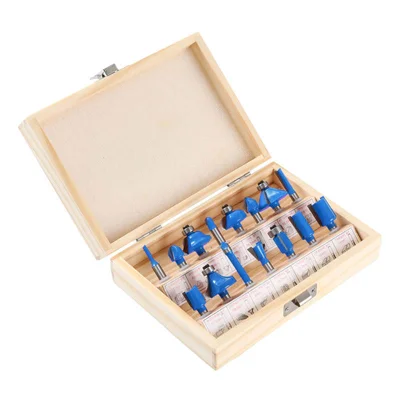
15-Piece Router Bit Set
Multi-size starter kit with carrying case
View on Alibaba →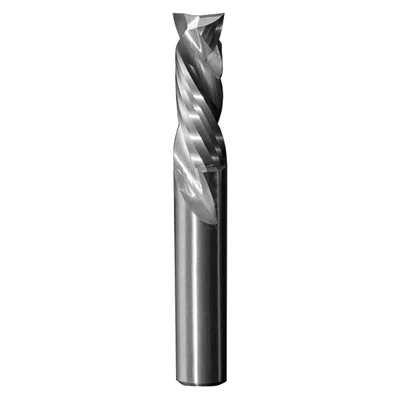
Compression Spiral Bits
Clean edges on plywood & MDF
View on Alibaba →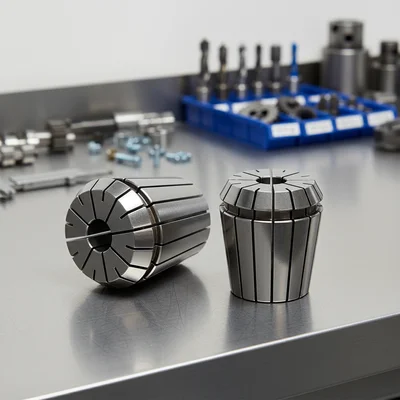
ER Collet Set
Precision holding, zero runout
View on Alibaba →As an Alibaba affiliate partner, we earn from qualifying purchases at no cost to you.