Roll Forming Machine Output Estimator
Estimate daily & monthly production output for roll forming lines. Enter line speed, shift hours, downtime, and coil data — get panels produced, coil autonomy, and machine utilization.
Free Tool · Instant Results · Metal Roofing & FramingTypical range shown below. Start at 70–80% of max rated speed.
E.g., 10 ft, 12 ft, 16 ft. For gutters use 10–20 ft; purlins 20–40 ft.
Typically 8 hrs. Subtract lunch / breaks if not included in downtime below.
Includes coil changes, job setups, blade changes, inspections & breaks. Typical: 10–20%.
Used to calculate coil length from weight. Density: steel = 0.2836 lb/in³; aluminum = 0.098 lb/in³.
Width of the flat coil before forming (blank width). Varies by profile.
Enter line parameters,
then hit Estimate
Typical Line Speeds by Profile Type
Line speeds vary significantly by profile complexity, material thickness, and whether secondary operations (punching, notching) run in-line. Values below are industry starting-point ranges for solid carbide tooling at standard gauges with automated flying cut-off. Always verify against your machine's rated speed.
| Profile Type | Speed (ft/min) | Speed (m/min) | Complexity | Key Notes |
|---|---|---|---|---|
| Standing Seam Roofing | 60–120 | 18–37 | Medium | Speed drops with thicker gauge; in-line seaming affects throughput |
| R-Panel / PBR Panel | 80–160 | 24–49 | Easy | One of the fastest profiles; simple rib pattern, few stations |
| Corrugated Roofing | 80–200 | 24–61 | Easy | Simplest profile; lightweight gauge enables high speeds |
| Ag Panel / 5-Rib | 80–150 | 24–46 | Easy | Fast profile; popular in agricultural and rural construction |
| Wall Panel / Liner Panel | 60–120 | 18–37 | Medium | Pre-painted coil and surface quality requirements reduce speed |
| Soffit & Fascia | 50–100 | 15–30 | Medium | Tight tolerances; ventilation perforation adds secondary station |
| C-Purlin / Z-Purlin | 50–100 | 15–30 | Medium | Heavier gauge (14–18 ga); in-line punching slows throughput |
| Metal Stud & Track (LGS) | 60–200 | 18–61 | Easy | High-volume; light gauge 25–18 ga; dedicated stud lines run very fast |
| Hat Channel / Furring | 80–200 | 24–61 | Easy | Simple symmetrical profile; lightweight gauge |
| Floor / Roof Decking | 30–80 | 9–24 | Complex | Wider profiles, heavier gauge, multiple ribs; slowest category |
| Gutter & Downspout | 40–100 | 12–30 | Medium | K-style or half-round; light gauge but complex bending sequence |
How Roll Forming Output Is Calculated
Production output estimation for roll forming lines depends on four factors: line speed, actual uptime, cut length, and coil capacity. Unlike CNC machining, roll forming is continuous — so the key metric is linear feet per productive minute. Every stop directly reduces your output.
1 Effective Speed
Downtime eats into your nominal line speed. A 15% downtime on a 100 ft/min line means you only produce at an effective rate of 85 ft/min on average across the shift.
2 Pieces / Shift
Convert productive minutes to linear feet, then divide by cut length per piece. More shifts multiply daily output directly. Shorter cut lengths produce more pieces at the same linear footage.
3 Coil Length
Coil length from weight is critical for scheduling coil changes and minimizing downtime. Heavier coils mean fewer stops per shift. The formula uses material density and strip cross-section.
4 Coil Autonomy
How long one coil lasts on the line tells you how many coil changes you'll need per shift — and how much planned downtime to budget for changeovers.
At 100 ft/min, cutting downtime from 25% to 10% increases output by 20% — without buying a faster machine. Invest in double uncoilers, coil cars, and pre-loaded coil staging before chasing higher line speeds. Most job shops lose 2–4 hours per shift to avoidable stops: coil changes, blade dullness, and manual measuring. Accurate pre-cut production orders and automatic length measurement pay back in weeks, not years.
Frequently Asked Questions
Related Industrial Tools
Top Picks for CNC Router Tooling
Professional-grade carbide tools ready to ship. Click any product to view details and pricing.
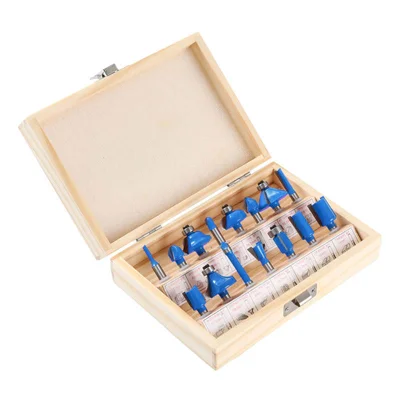
15-Piece Router Bit Set
Multi-size starter kit with carrying case
View on Alibaba →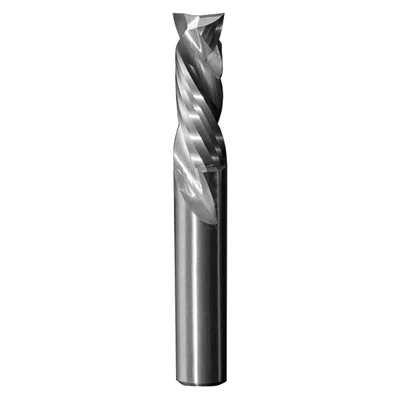
Compression Spiral Bits
Clean edges on plywood & MDF
View on Alibaba →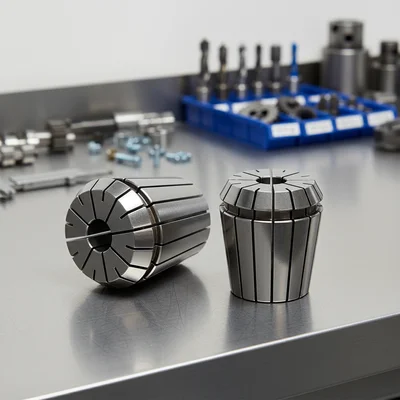
ER Collet Set
Precision holding, zero runout
View on Alibaba →As an Alibaba affiliate partner, we earn from qualifying purchases at no cost to you.