KB-011
How to Choose Plywood for CNC Router Projects
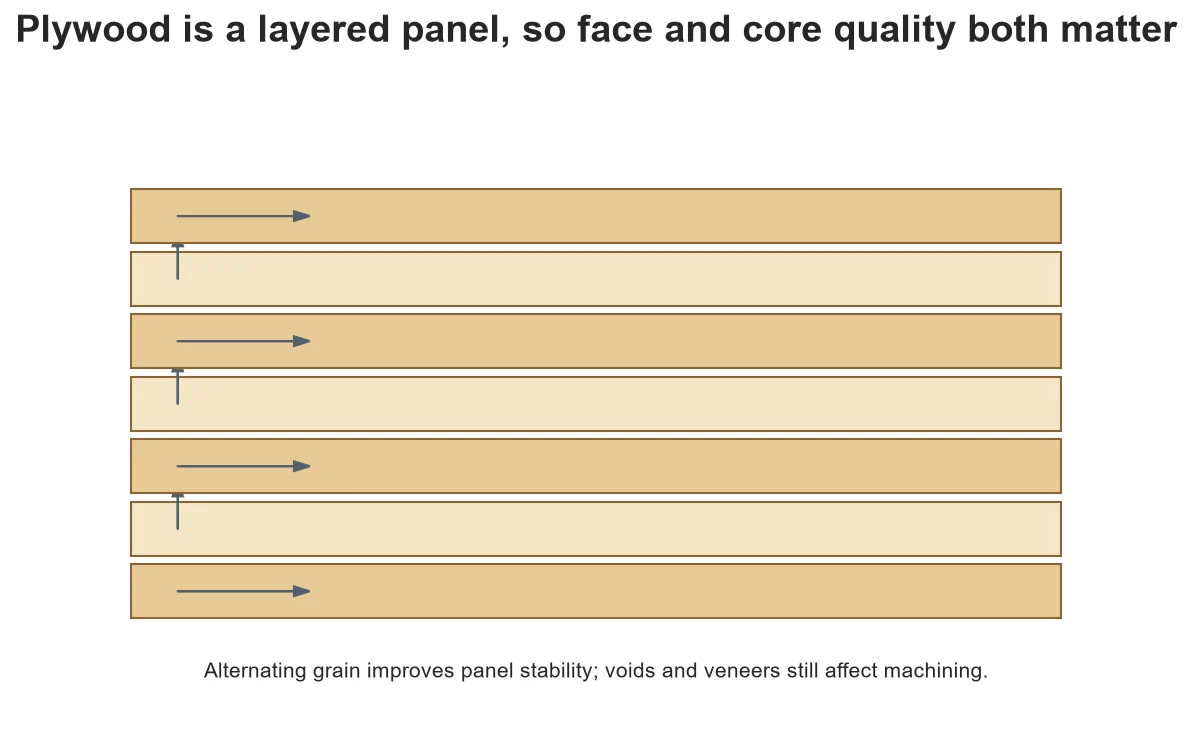
Compare veneer quality, core voids, thickness variation, flatness and intended finish before buying plywood for a CNC router project.
Knowledge Base Topic · KB-S02
Choose sheet goods and solid wood, plan reliable profile cuts, then apply the decisions to useful shop projects.
Open one guide at a time or follow the numbered sequence.
Compare veneer quality, core voids, thickness variation, flatness and intended finish before buying plywood for a CNC router project.
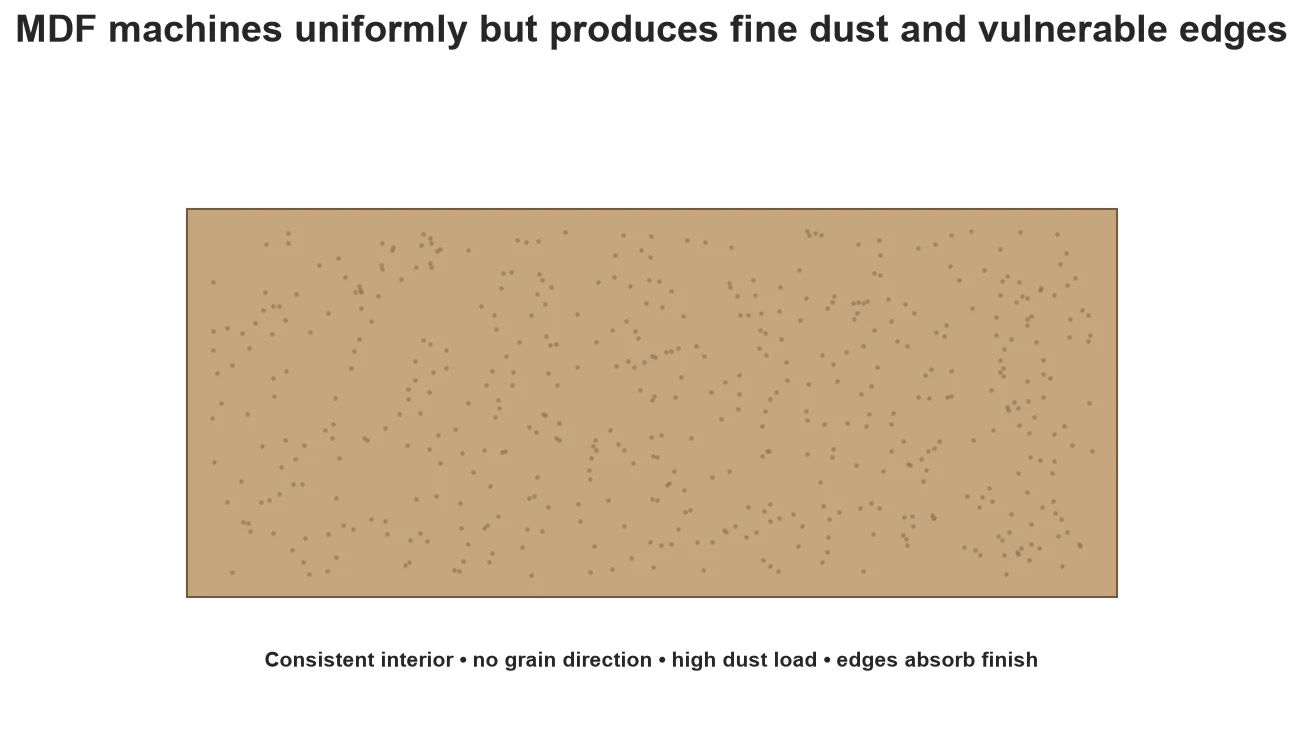
Understand why MDF cuts consistently yet demands careful dust extraction, edge finishing, workholding and moisture protection.
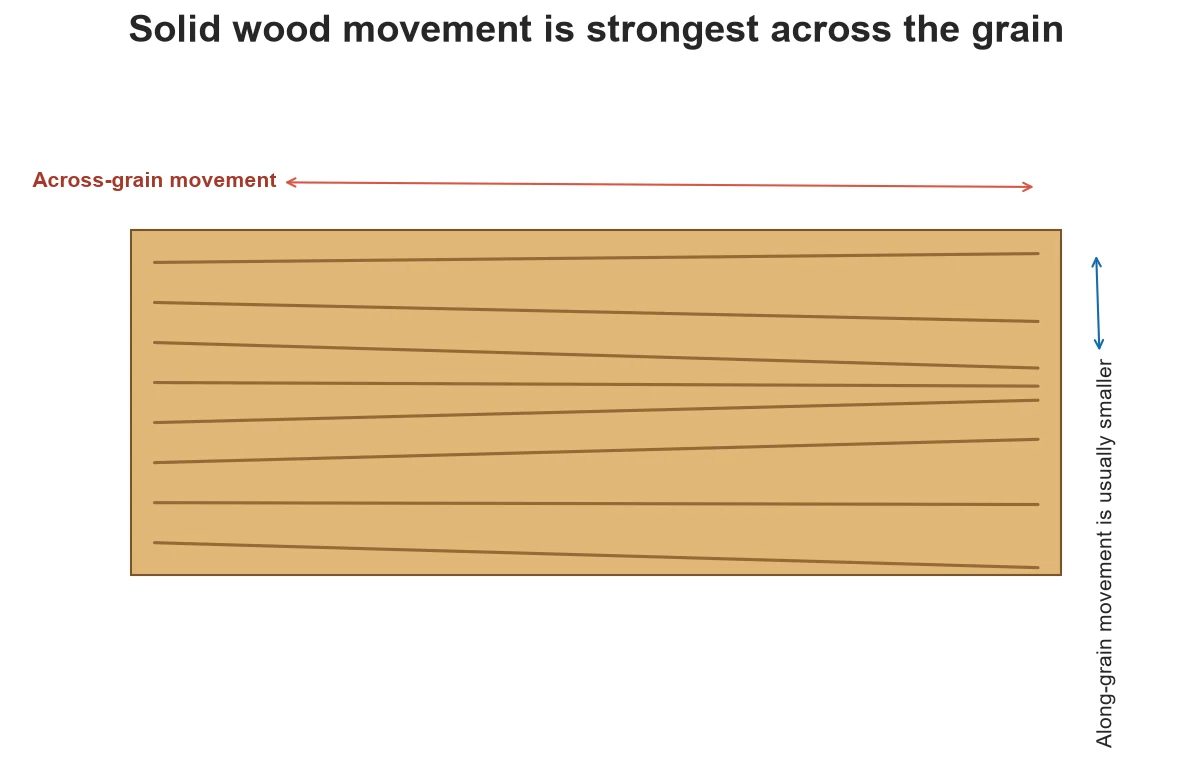
Design CNC-cut solid wood parts around grain direction, moisture change, flatness and joinery instead of treating wood like stable plastic.
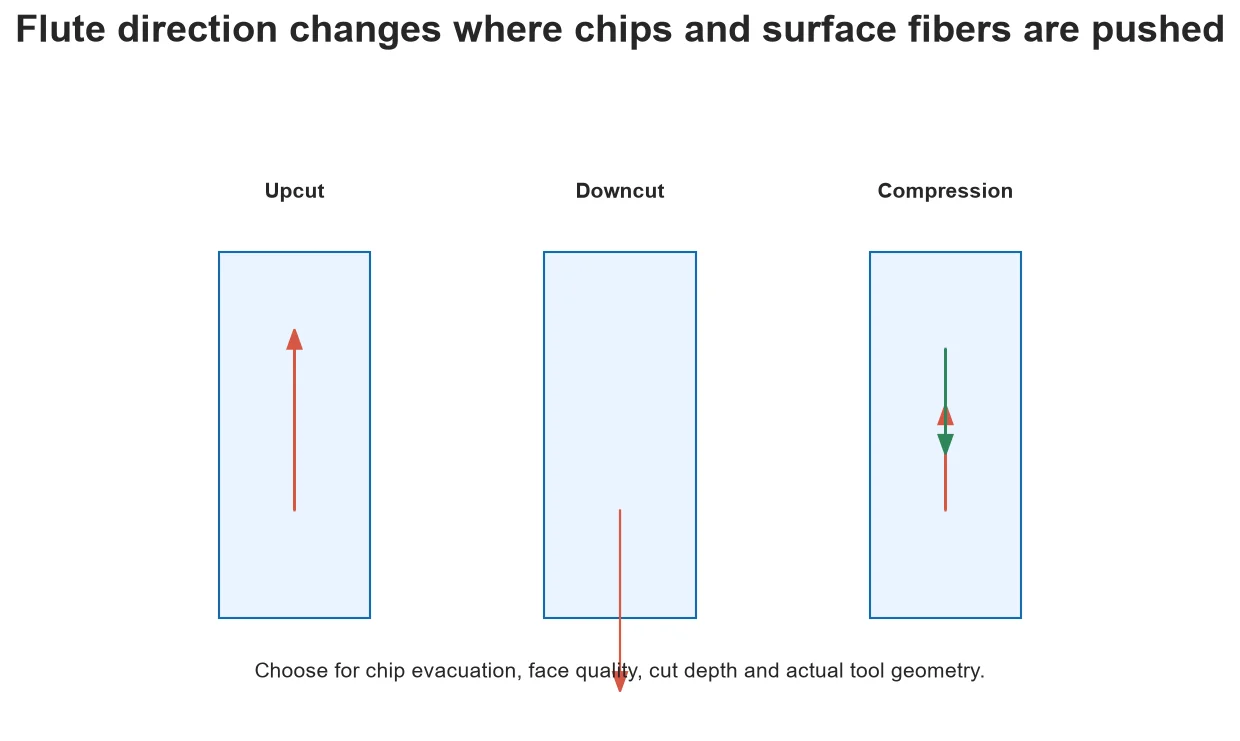
Choose flute direction by chip evacuation, top and bottom surface quality, cut depth and the real geometry of the router bit.
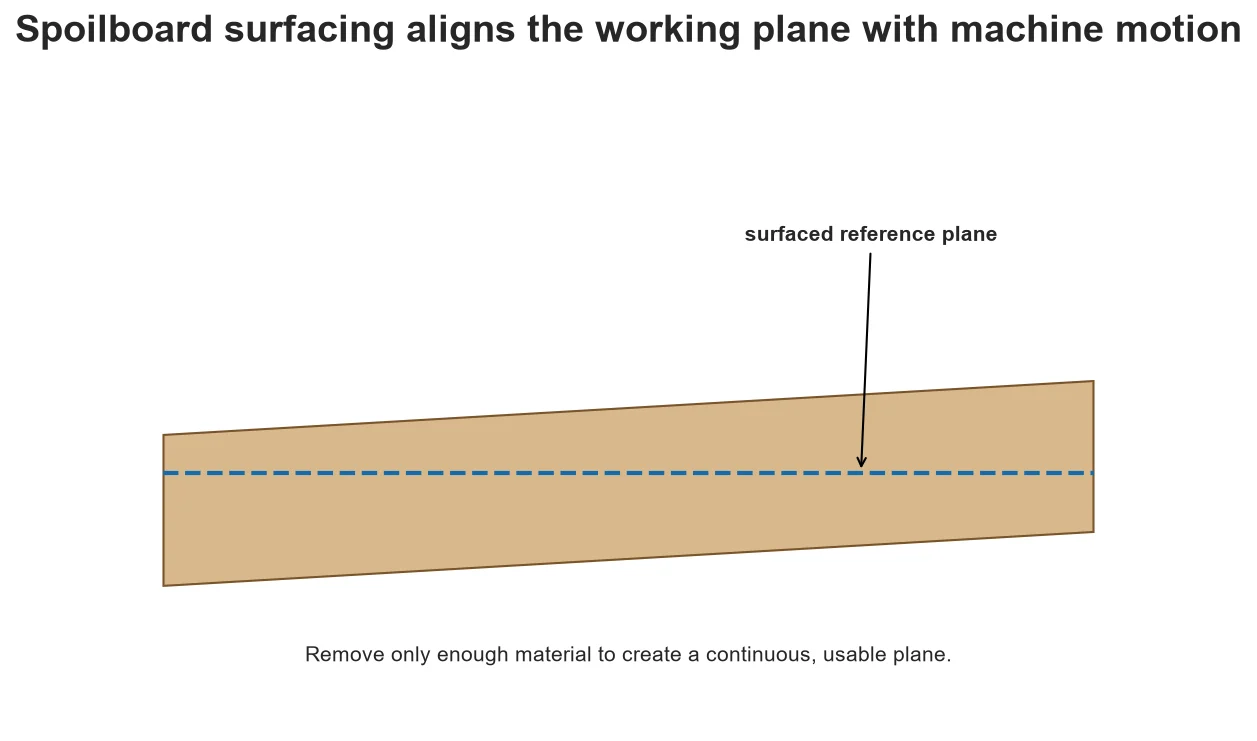
Create a usable reference plane, preserve vacuum performance and recognize when a CNC router spoilboard needs resurfacing or replacement.
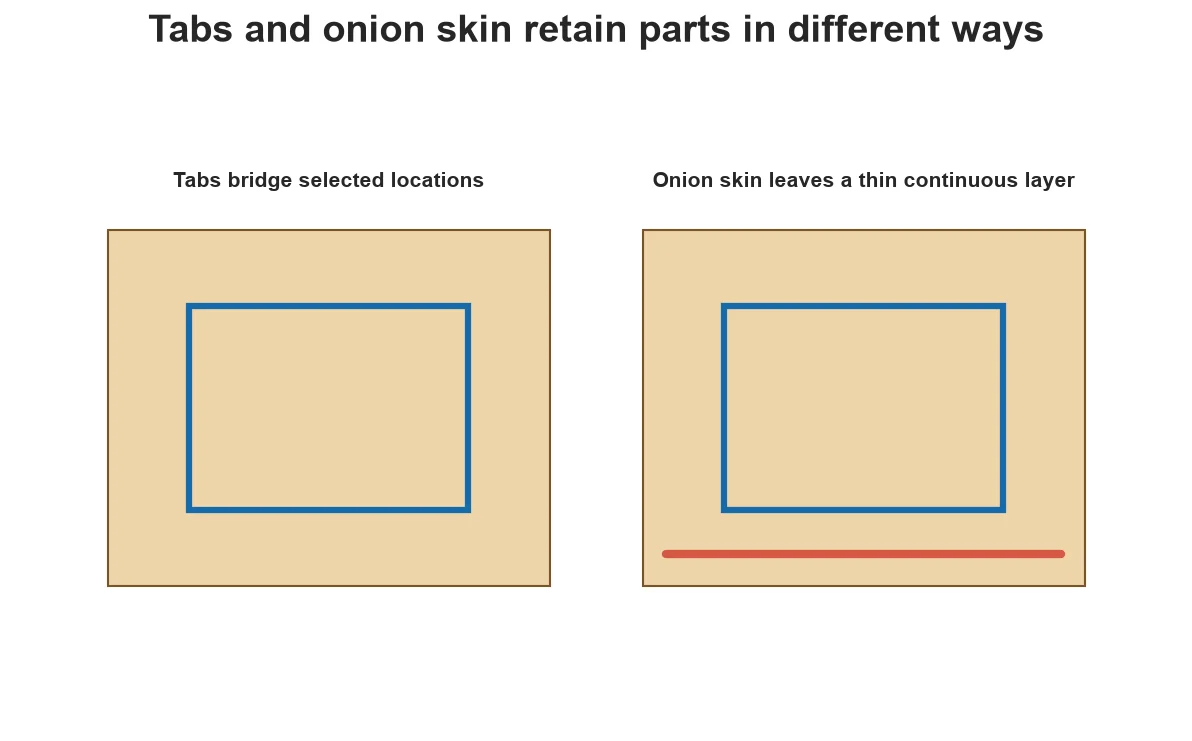
Choose and size part-retention features by stock thickness, cutting force, cleanup, vacuum area and the stage at which a profile becomes free.
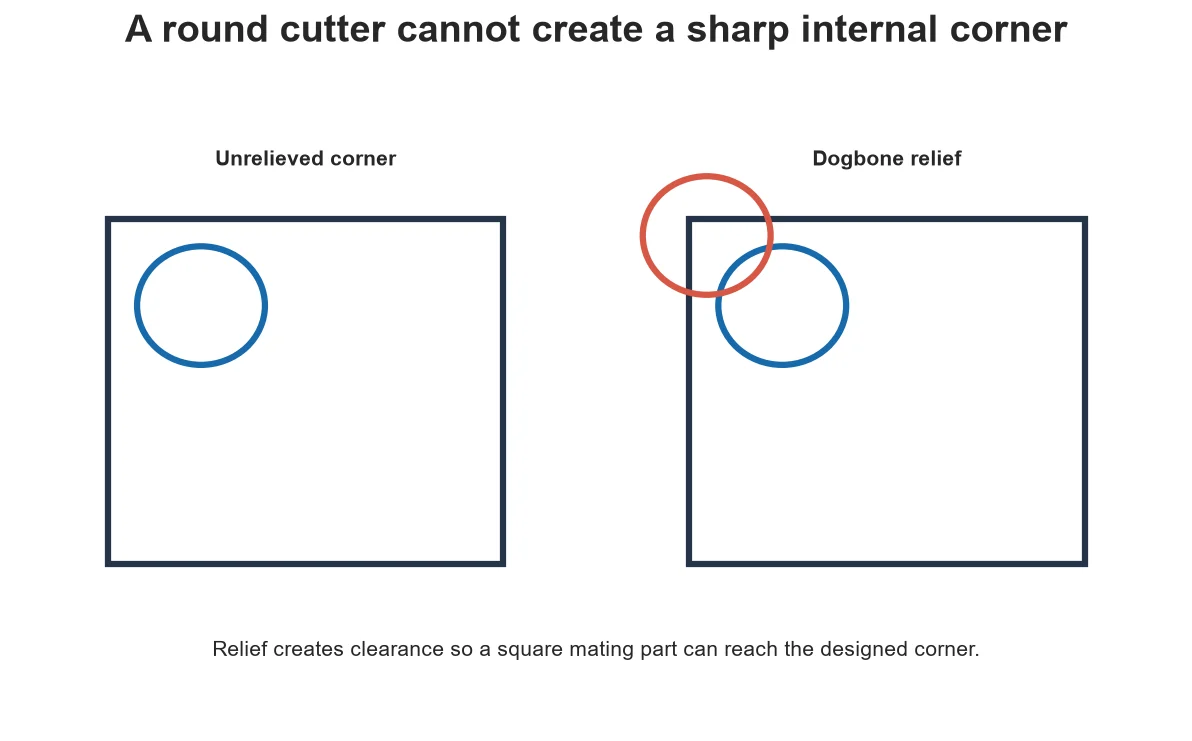
Understand why round router bits leave internal radii and how dogbone or T-bone relief can create assembly clearance without random overcutting.
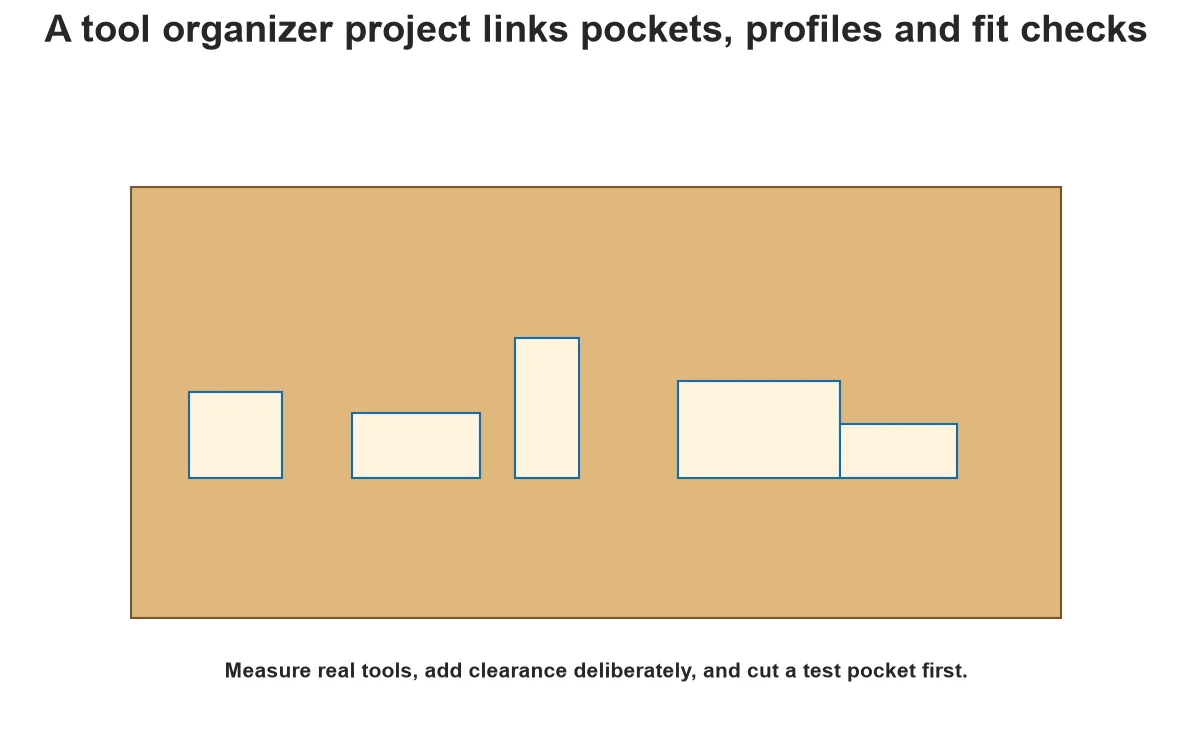
Turn measured tools into a CNC organizer with deliberate pocket clearance, depth control, labels, workholding and a test-fit workflow.
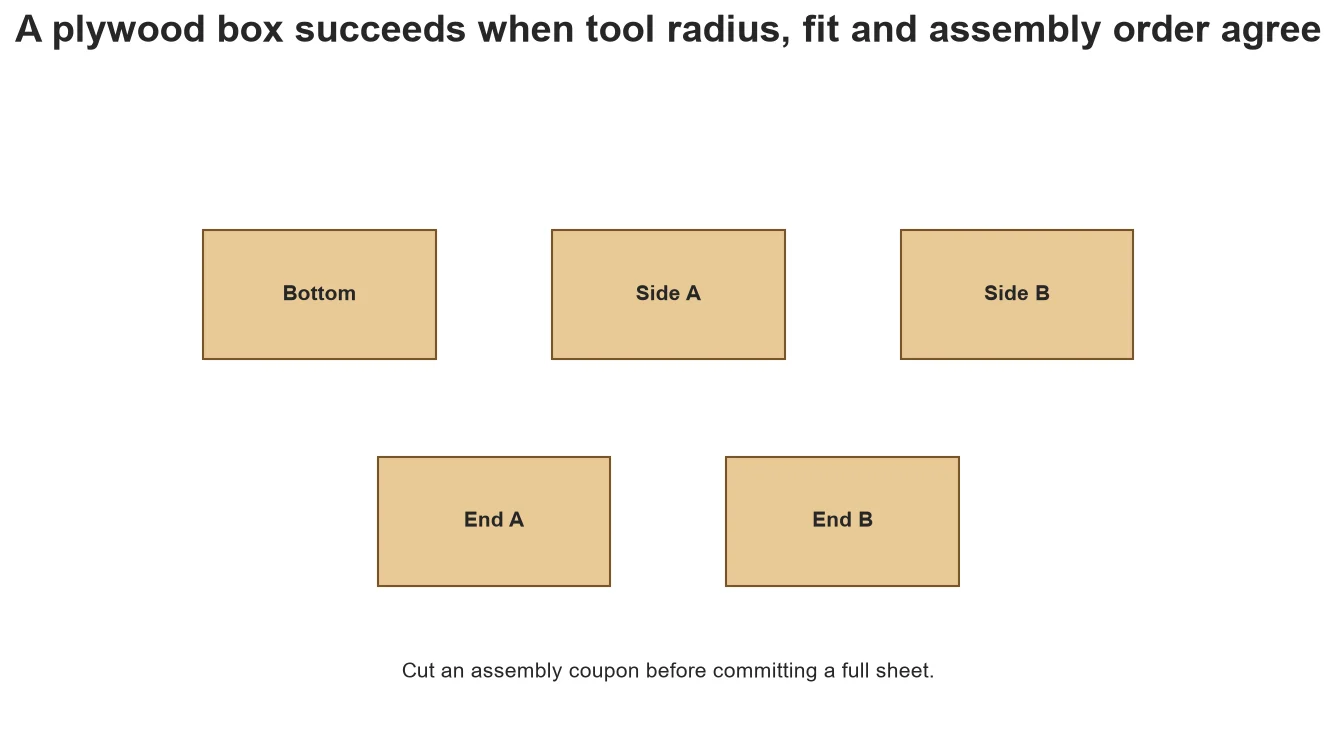
Design a plywood box around measured thickness, cutter radius, assembly clearance, panel orientation and a fit coupon before cutting a full sheet.
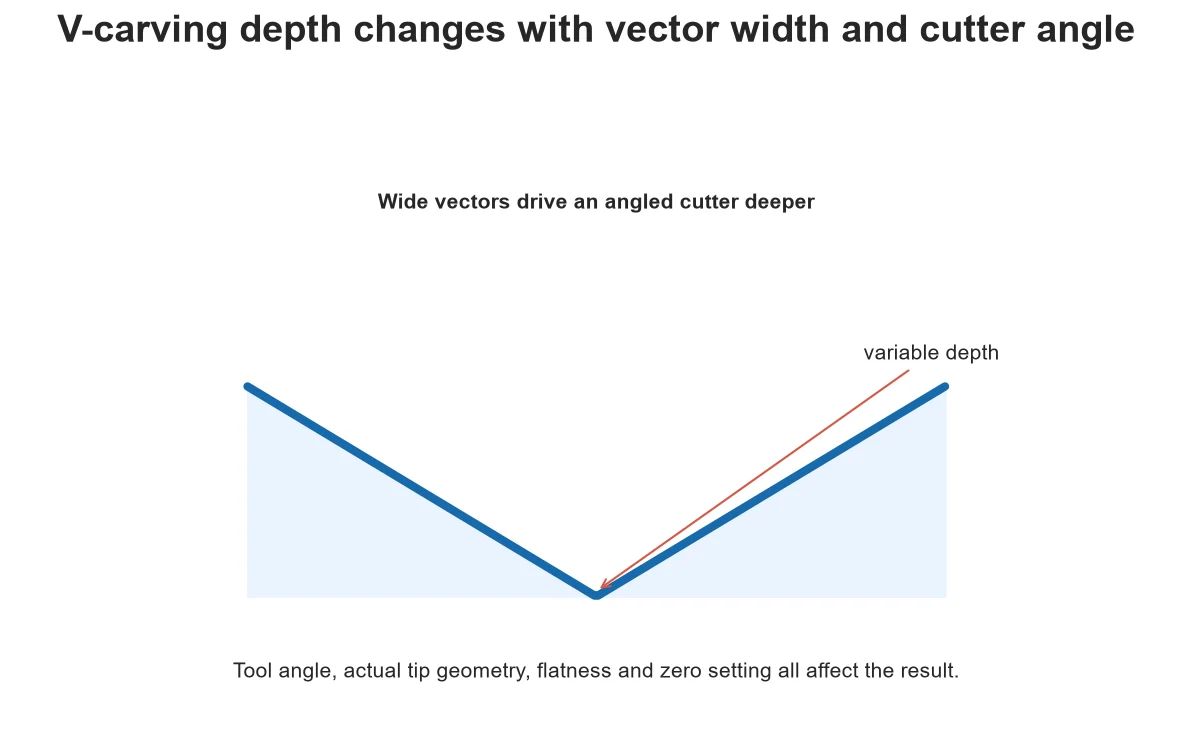
Plan a V-carved sign around font geometry, cutter angle, board flatness, variable depth, test cuts and a finish sequence.