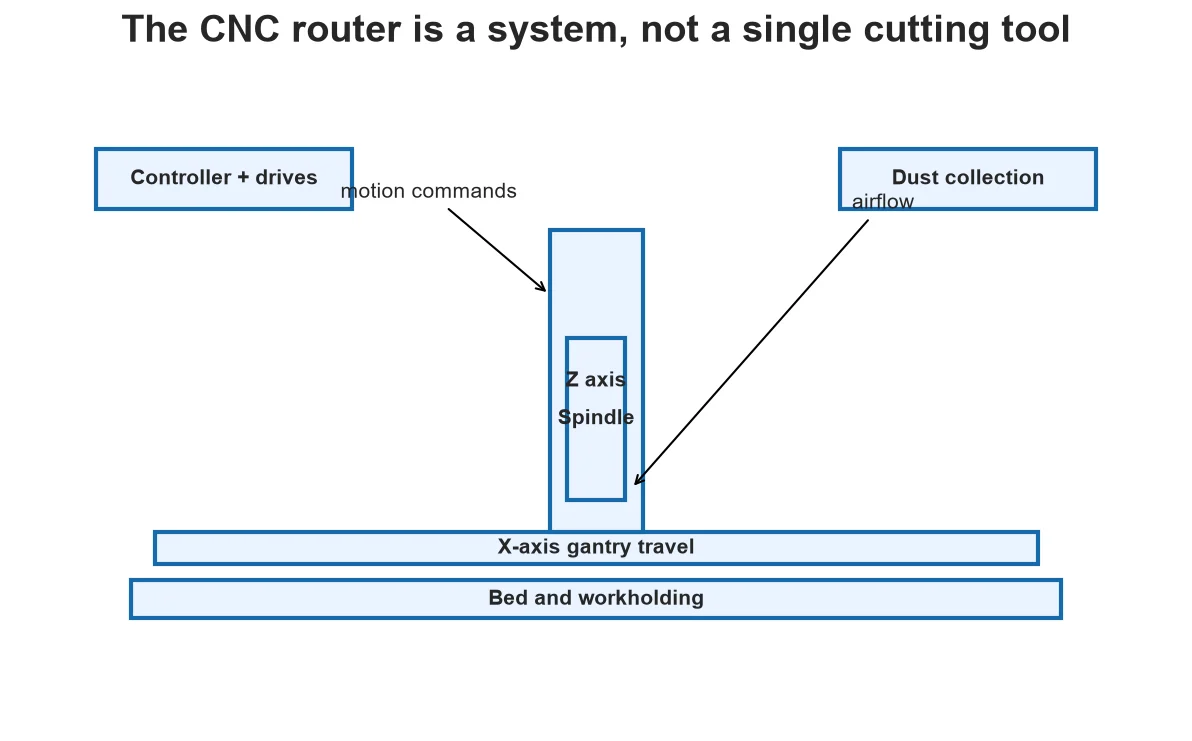
KB-001
CNC Router Parts and How They Work Together
Understand the frame, gantry, motion system, controller, spindle, workholding and dust collection that make a CNC router work as one system.
Knowledge Base Topic · KB-S01
Build a safe technical foundation, from machine anatomy and coordinates to cutting parameters and a first-project workflow.
Open one guide at a time or follow the numbered sequence.
Understand the frame, gantry, motion system, controller, spindle, workholding and dust collection that make a CNC router work as one system.
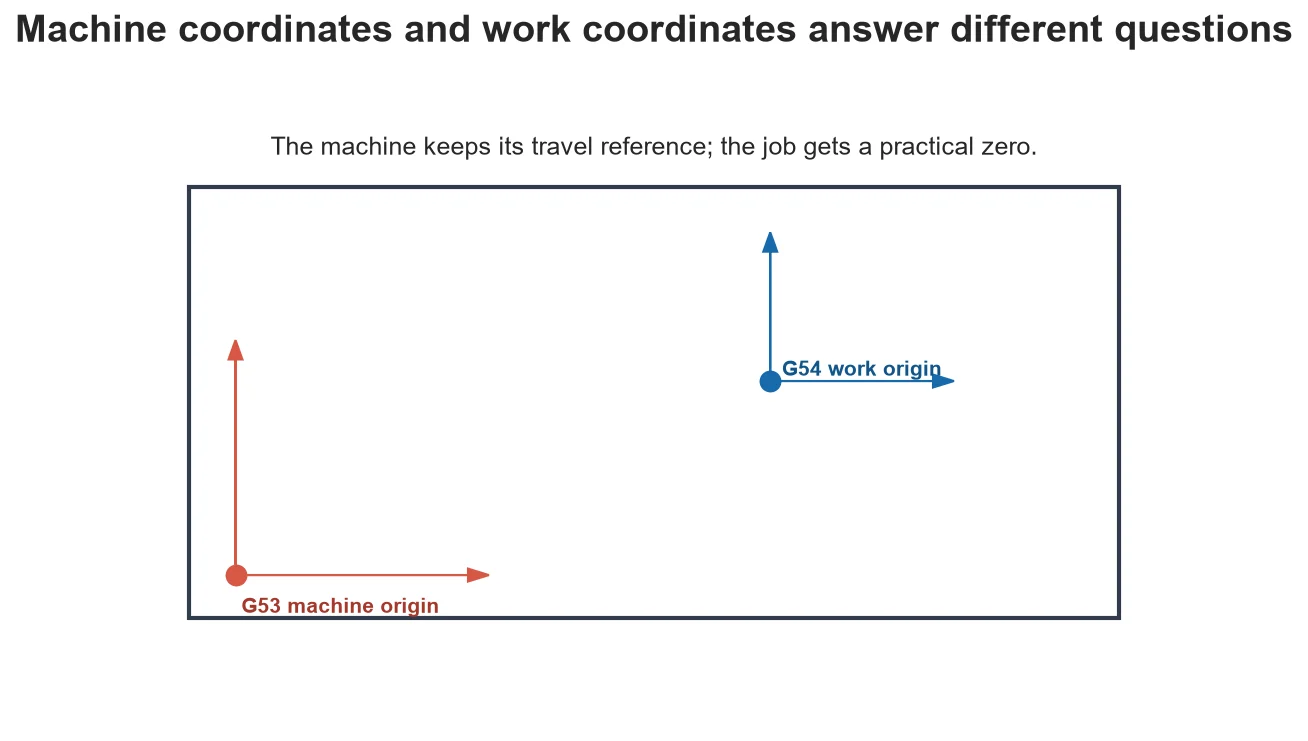
Learn the practical difference between the G53 machine reference and G54 work offset so CNC jobs start in the intended location.
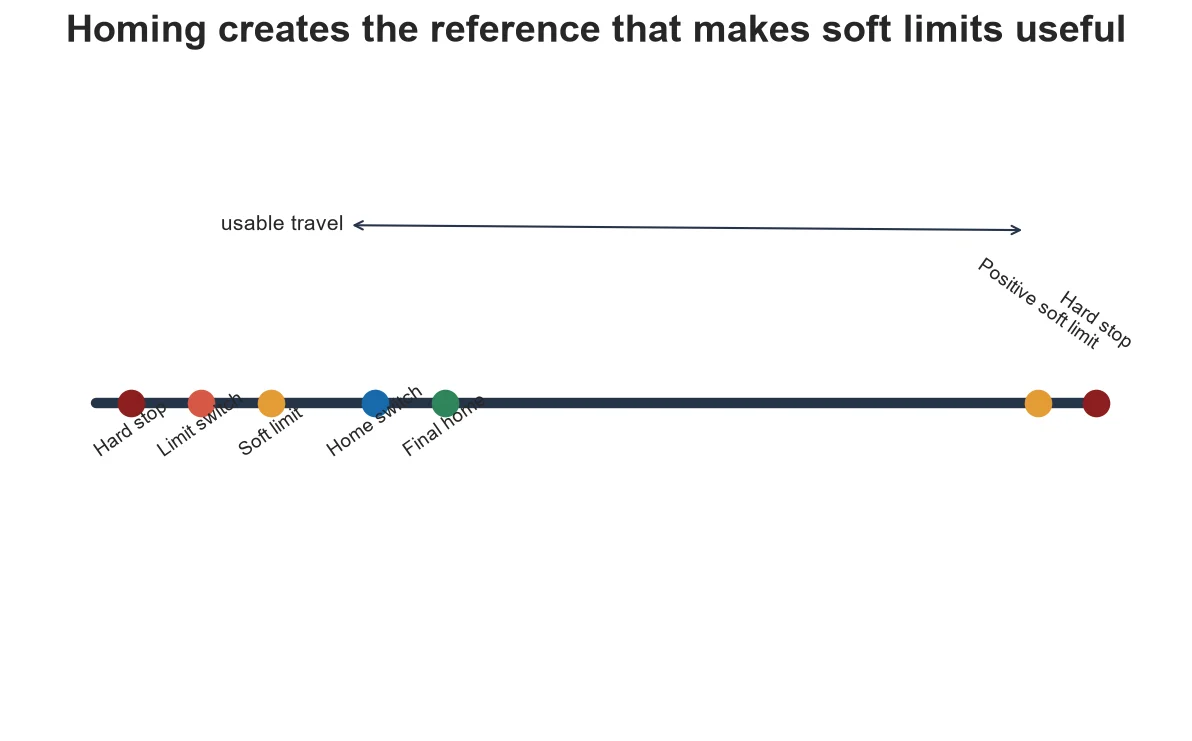
Understand hard stops, limit switches, home switches and software travel limits before configuring or operating a CNC router.
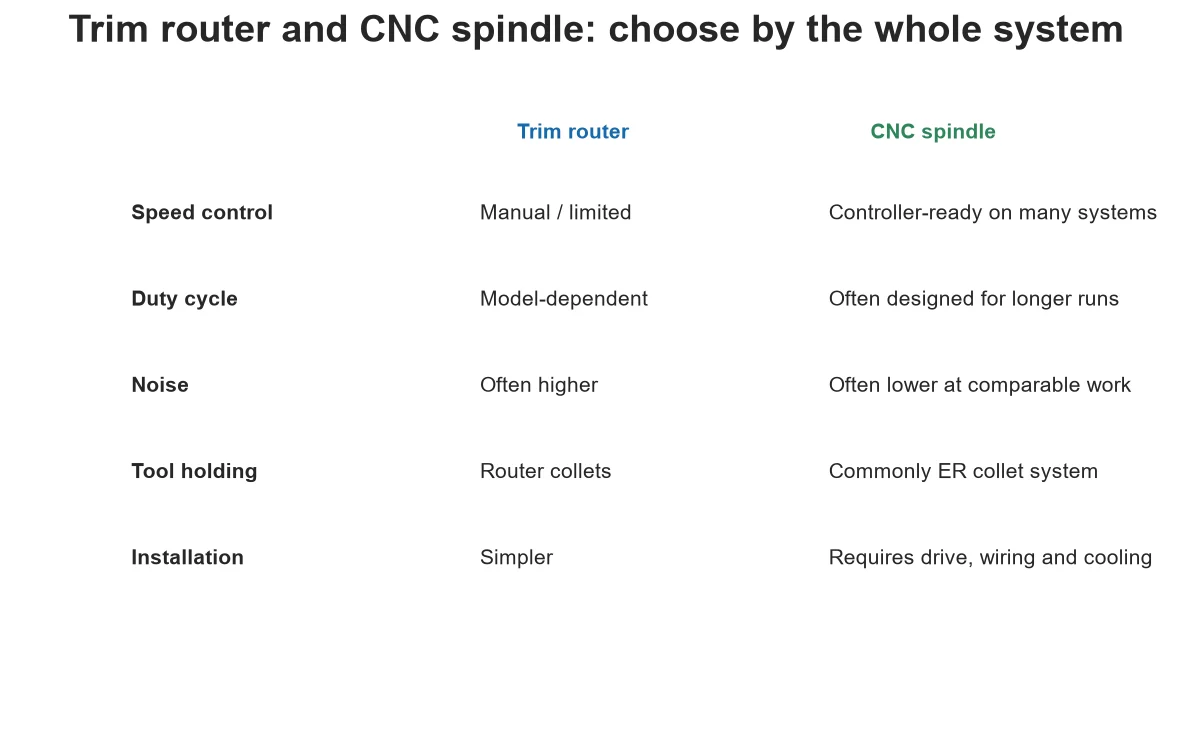
Compare speed control, duty cycle, noise, tool holding, torque, wiring and cooling before choosing a trim router or CNC spindle.
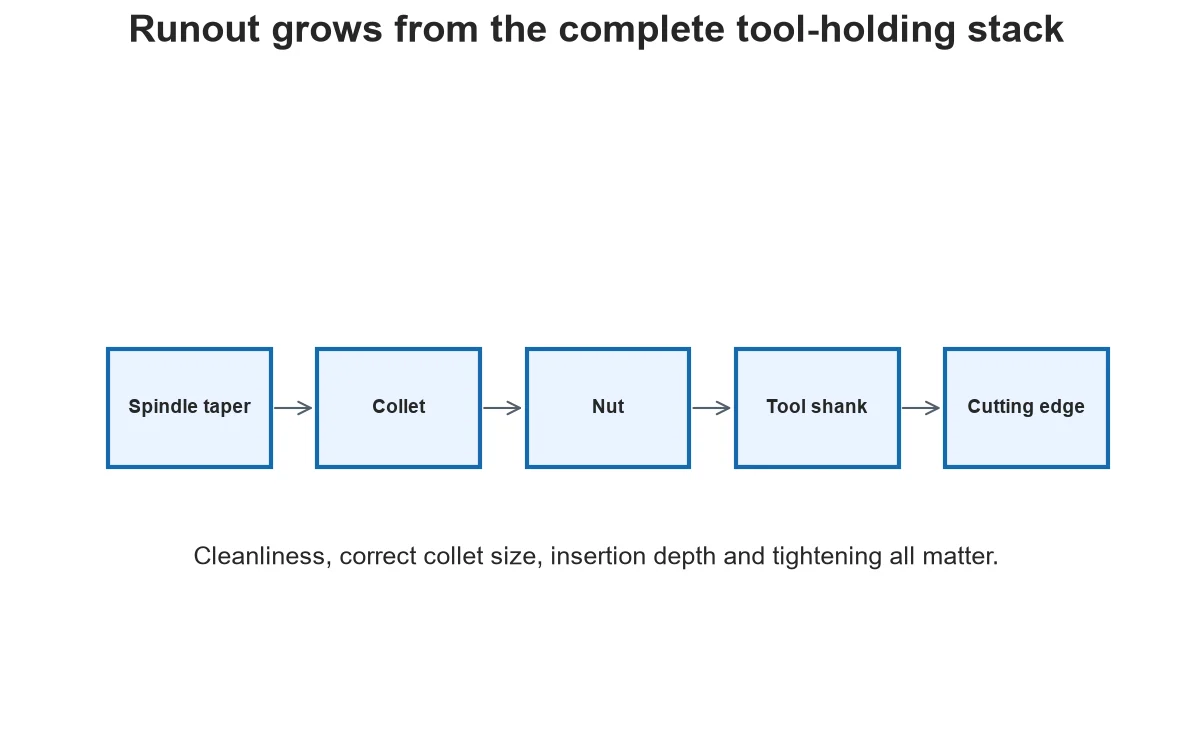
Learn how collet size, cleanliness, tool insertion and the complete holding stack affect runout, finish and small-cutter life.
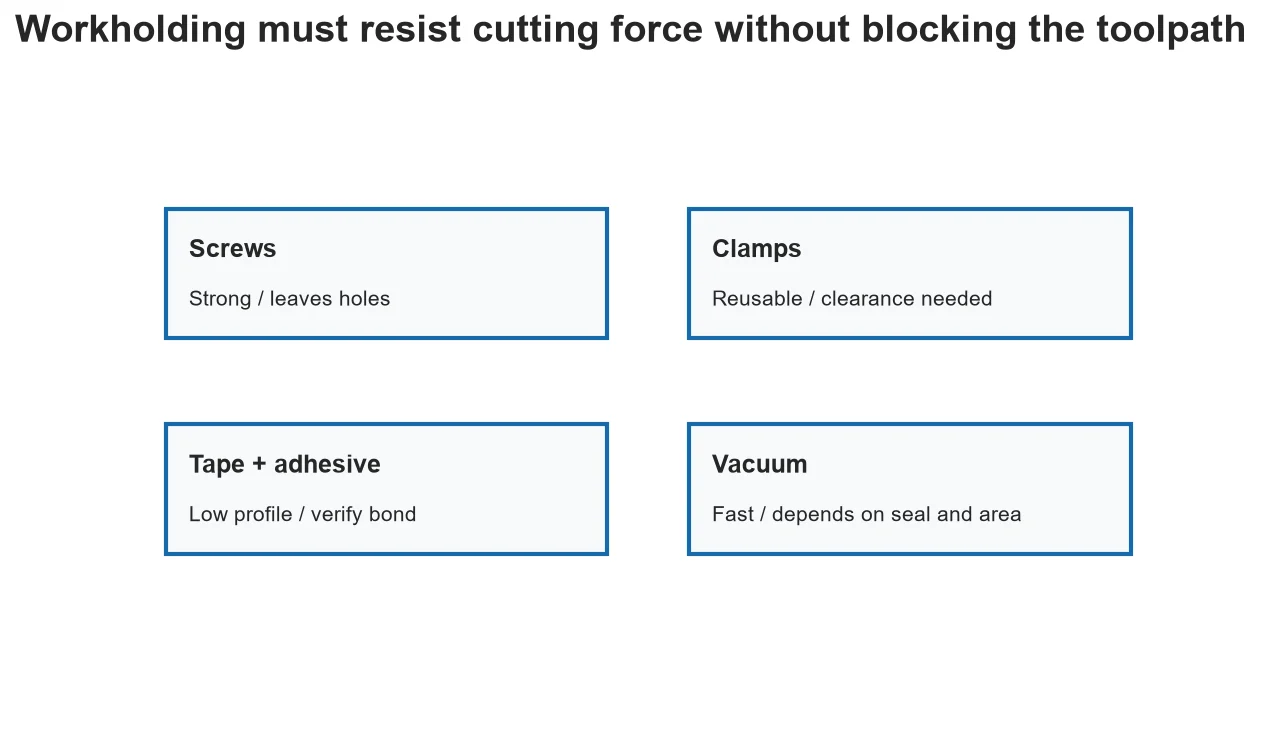
Compare screws, clamps, tape-and-adhesive fixtures and vacuum workholding while planning tool clearance and cutting forces.
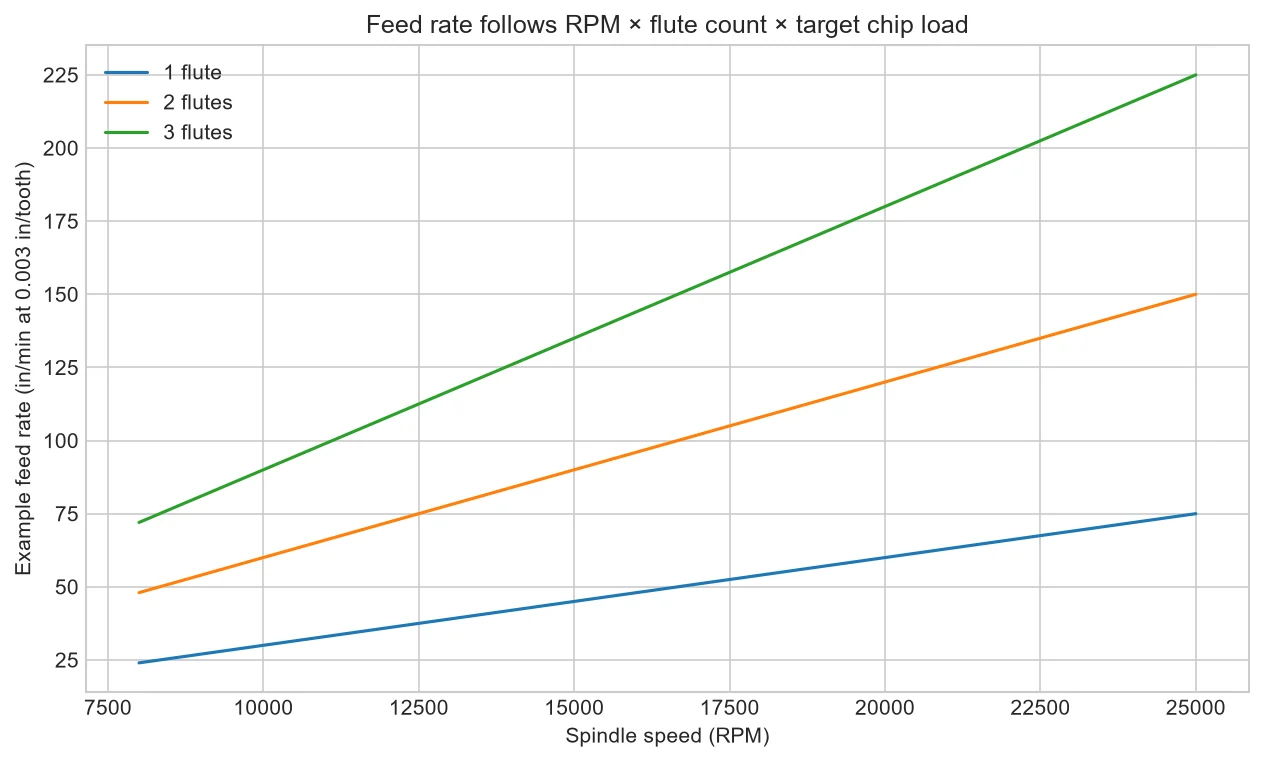
Use the relationship between RPM, flute count and chip load to choose a documented starting feed and refine it for the real machine.
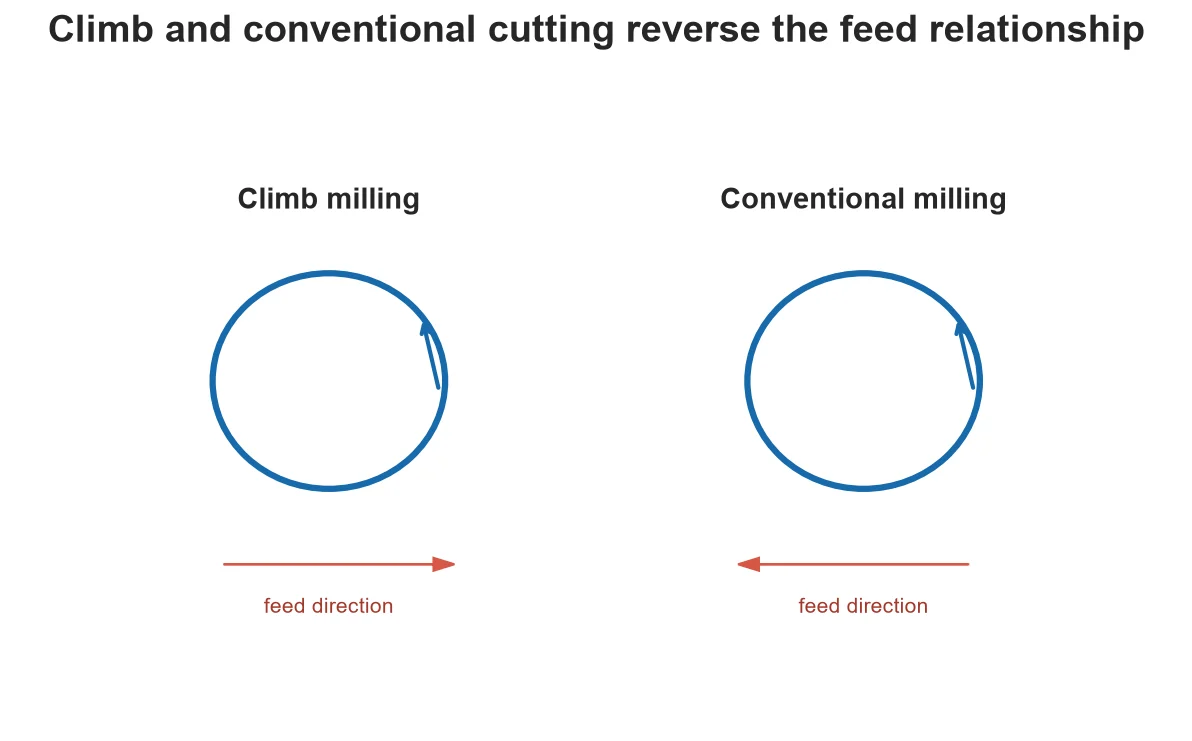
Understand how cutter rotation and feed direction change chip formation, machine load and edge finish in climb and conventional cutting.
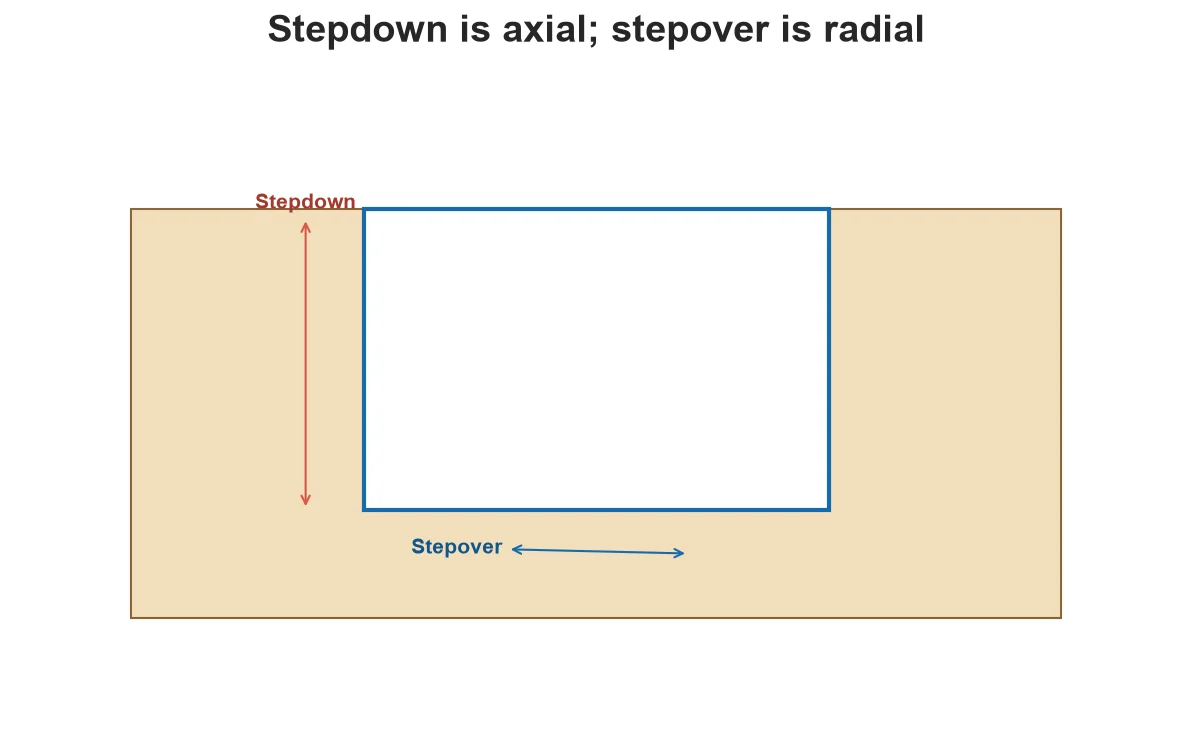
Learn how axial depth and radial engagement affect tool load, machining time, pocket clearing and surface finish.
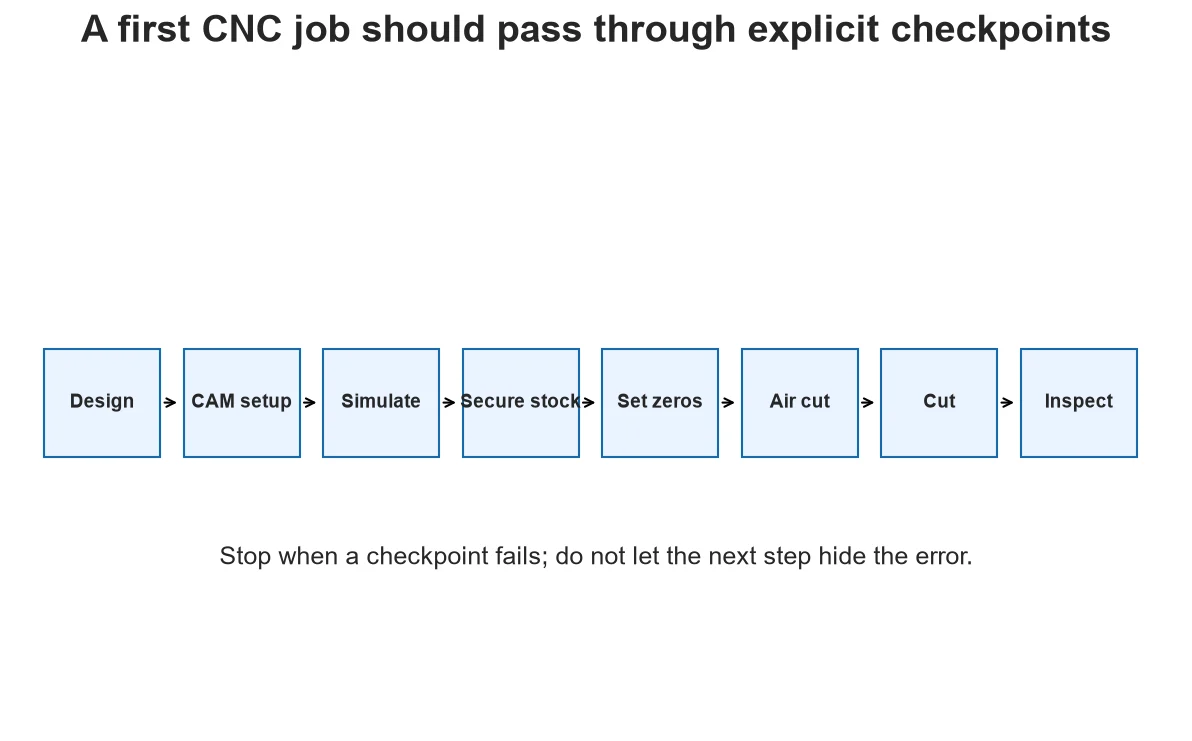
Move from design and CAM to workholding, zero setting, air cutting and inspection without allowing one setup mistake to reach the cutter.