Operator Labor Cost per Machine Calculator
Calculate the exact hourly labor cost per machine. Enter hourly wage, number of operators, and machines per operator for instant production costing and efficiency insights.
Free Tool · Manufacturing · Labor Allocation · Production CostingInclude all costs you wish to allocate per machine (base pay, or use fully burdened rate with benefits and taxes added).
Total headcount running the machines in this shift or cell.
Common in automated lines — one operator supervises 2–5 CNC machines. Higher number = lower labor cost per machine.
Enter parameters to generate report
How Operator Labor Cost per Machine Works
In modern manufacturing, one operator often supervises multiple machines (CNC, assembly stations, packaging lines, etc.). This calculator shows the true labor cost allocated to each machine. The formula automatically accounts for team size and machine allocation, helping you price products, set production targets, and improve efficiency.
1 Understand the Formula
Total labor cost per hour for the team is simply wage × operators. Divide by the number of machines the team can run to get cost per machine. Notice it simplifies to just wage ÷ machines per operator.
Hourly Wage ÷ Machines per Operator
Example: $25/hr ÷ 3 machines
= $8.33 per machine per hour
2 Why This Matters
Higher "machines per operator" lowers cost per machine — the key to profitable automation. If one operator runs 4 machines instead of 2, the labor cost per machine is cut in half. Use this metric when quoting jobs, budgeting shifts, or deciding whether to add automation to your cell.
1 operator, 4 machines: $25 ÷ 4 = $6.25/machine
50% cost reduction — same headcount
Always calculate both "total labor cost" and "per machine" when planning a new line. If machines per operator increases from 2 to 4, labor cost per machine drops 50% — often the difference between profit and loss on high-volume parts. When adding automation, compare the capital cost per machine against the annual labor savings at your target machines-per-operator ratio.
Typical Hourly Wages — Machine Operators (Manufacturing)
General industry ranges (U.S. averages). Adjust for your location, experience, and shift premiums.
| Role | Hourly Wage Range | Typical Machines / Operator | Effective Cost / Machine (mid wage) |
|---|---|---|---|
| General Machine Operator | $18–$26 | 2–4 | $6.50–$9.00 |
| CNC Machinist | $22–$32 | 3–6 | $5.50–$8.00 |
| Assembly Line Operator | $16–$24 | 1–3 | $8.00–$16.00 |
| Packaging / Material Handler | $15–$22 | 4–8 | $2.75–$4.50 |
| Robotic Cell Operator | $20–$28 | 5–10 | $2.80–$4.50 |
Frequently Asked Questions
Related Manufacturing Tools
Top Picks for CNC Router Tooling
Professional-grade carbide tools ready to ship. Click any product to view details and pricing.
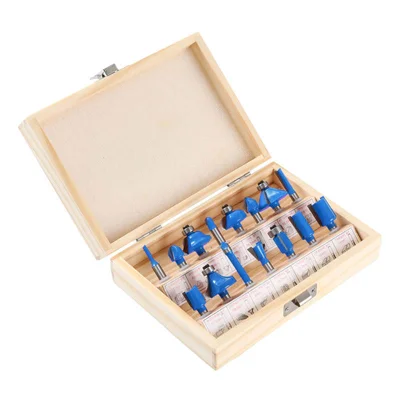
15-Piece Router Bit Set
Multi-size starter kit with carrying case
View on Alibaba →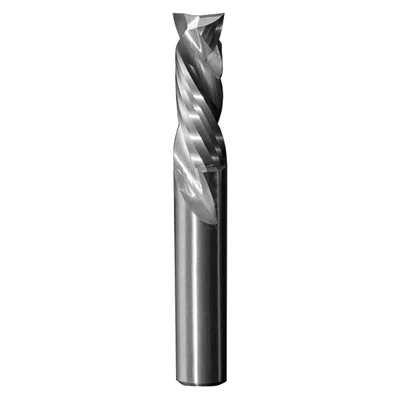
Compression Spiral Bits
Clean edges on plywood & MDF
View on Alibaba →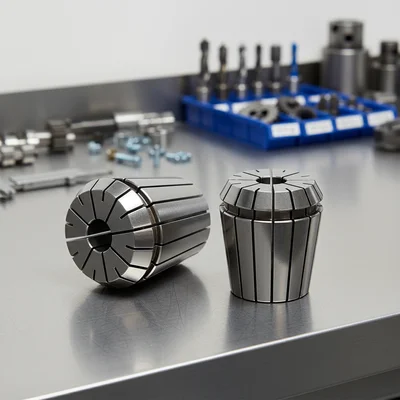
ER Collet Set
Precision holding, zero runout
View on Alibaba →As an Alibaba affiliate partner, we earn from qualifying purchases at no cost to you.