Machine Comparisons
Plasma vs Laser Cutting: Cost Per Cut Compared
Plasma vs laser cutting cost per cut compared — real $/ft on steel, stainless & aluminum across thicknesses. The crossover happens at 10–16mm. Find your match.Plasma vs Laser Cutting:
Cost Per Cut Compared
The honest, dollars-per-foot comparison most spec sheets refuse to show you — consumables, gas, electricity, labor, and the cuts where one machine quietly destroys the other on price.
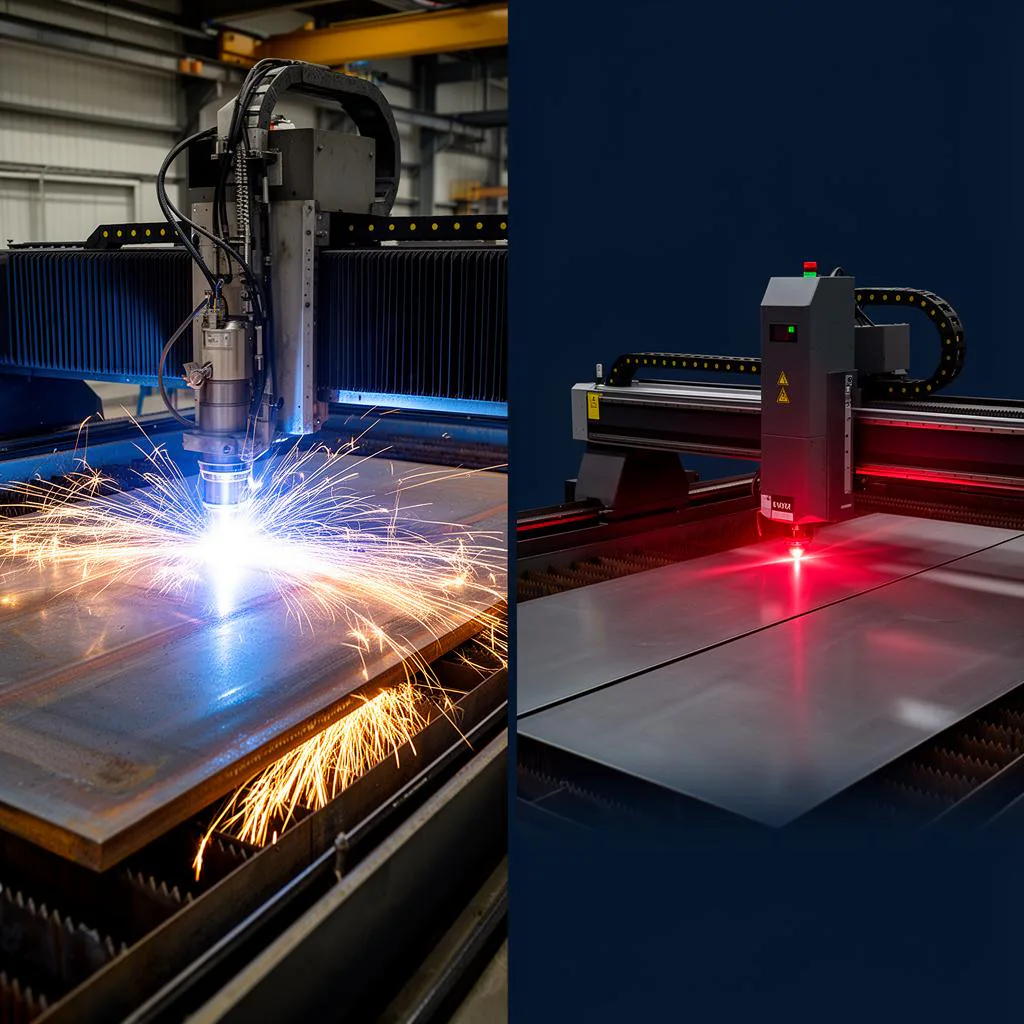
Plasma is cheaper per cut on anything thicker than ~½" mild steel. Fiber laser is cheaper per cut on sheet metal under ~⅜", because it runs 3–8× faster with almost no consumables. The crossover happens between 10mm and 16mm — and that's where most "which one should I buy" arguments live.
Walk into any fab shop arguing about plasma vs laser cutting cost and you'll hear two camps shouting past each other. The plasma guys point at the $25,000 used Hypertherm setup cutting 1-inch plate all day. The laser guys point at the fiber machine putting out 400 parts an hour with a mirror finish. Both are right — for their material. The real question is never "which is cheaper" in the abstract. It's cheaper at what thickness, in what volume, and after how many years of consumables?
This guide breaks down the actual cost per linear foot for both technologies on the materials they're actually used for. Numbers are pulled from current shop rates, manufacturer consumable charts, and US industrial electricity averages (2025). If you're trying to decide which to buy, lease, or outsource to — start here, not with the brochure.
1. The Real Cost Inputs Nobody Lists Together
Before we get to the per-foot numbers, here's what actually goes into a cut — beyond the sticker price of the machine. Most cost calculators only count one or two of these:
- Power draw — plasma at 50–400 amps, fiber laser at 6–20 kW. Both pull serious electricity, but for very different durations per cut.
- Consumables — plasma electrodes, nozzles, swirl rings, shields wear out every 1–4 hours of arc-on time. Fiber laser eats almost nothing except occasional protective lens windows. This is where the long-term math gets brutal.
- Assist gas — plasma uses compressed air or O₂/N₂; laser uses high-purity N₂ or O₂ at much higher flow rates and pressure. On 10mm stainless, nitrogen alone can cost more than the electricity.
- Cycle time — laser pierces and traverses 3–8× faster on thin material. Plasma wins back time on thick plate where laser slows to a crawl.
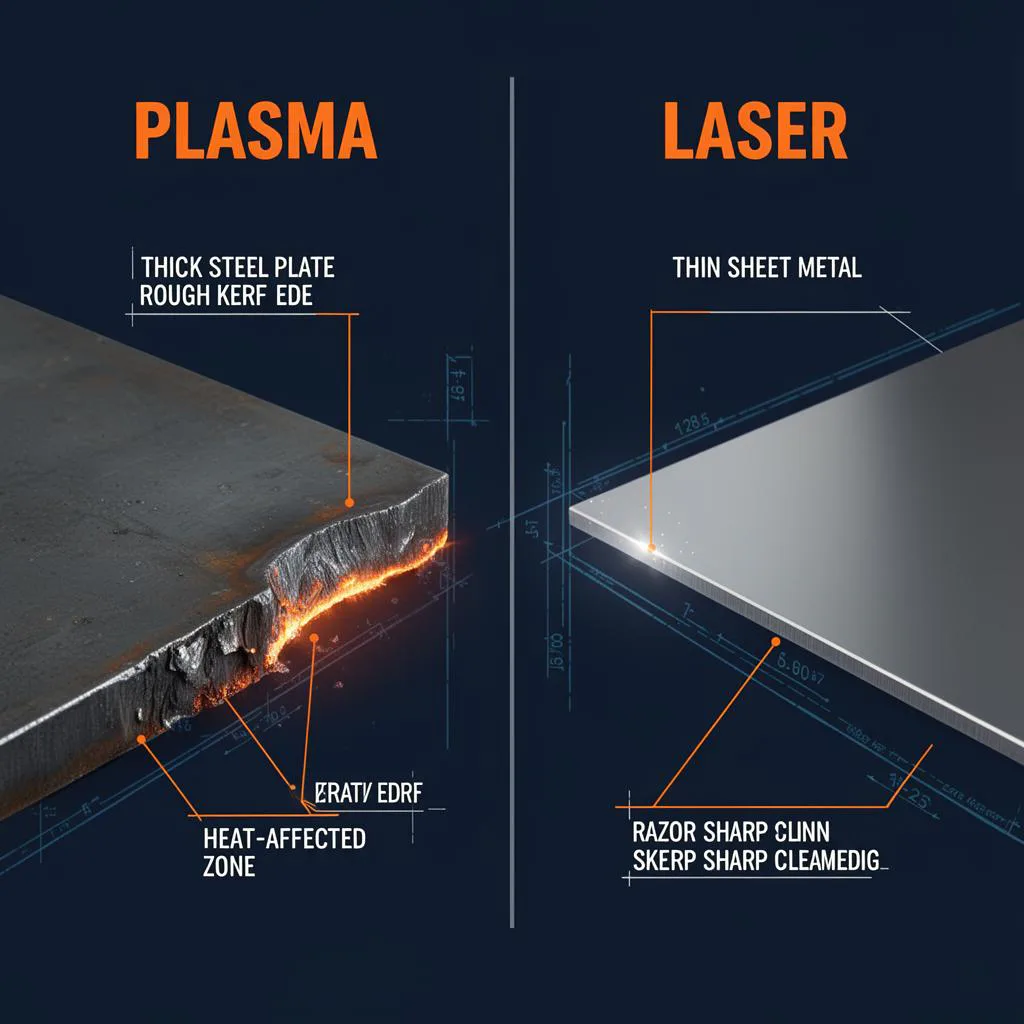
- Secondary operations — plasma edges often need grinding, deburring, or a quick pass on a heavy-duty bench grinder before they go to weld or paint. Laser edges usually go straight to the next step. Hidden cost, real money.
- Operator labor — same hourly rate, but fewer machine-hours = lower labor per part. Laser wins almost every volume job here.
If you've never done this calculation in a spreadsheet, our CNC feed rate calculator and machine depreciation calculator are the two TWC tools that make this honest. Most shops underestimate consumables by half and overestimate machine life by double.
2. Cost Per Linear Foot: The Numbers
These figures assume US shop rates: $0.12/kWh electricity, $35/hr loaded labor, current Hypertherm and IPG consumable list prices, and bulk N₂ at $0.03/cuft. Your shop will vary by 10–25%, but the ratios hold up almost everywhere.
| Material & Thickness | Plasma $/ft | Fiber Laser $/ft | Winner |
|---|---|---|---|
| Mild steel — 1.6mm (16ga) | $0.42 | $0.08 | Laser (5×) |
| Mild steel — 6mm (¼") | $0.55 | $0.21 | Laser |
| Mild steel — 12mm (½") | $0.78 | $0.84 | Tie |
| Mild steel — 25mm (1") | $1.35 | $3.90 | Plasma (2.9×) |
| Mild steel — 50mm (2") | $2.90 | N/A* | Plasma only |
| Stainless — 3mm | $0.68 | $0.31 | Laser |
| Stainless — 10mm | $1.15 | $1.05 | Tie |
| Aluminum — 6mm | $0.62 | $0.38 | Laser |
*Sub-15kW fiber lasers struggle past 25mm mild steel; high-power 20kW+ machines can do 50mm but cost-per-foot becomes uncompetitive vs plasma or oxy-fuel.
Between 10mm and 16mm mild steel, plasma and laser cost roughly the same per foot. Below that, laser. Above that, plasma. This is the single most useful rule of thumb in the entire comparison.
3. Plasma — Where the Money Actually Goes
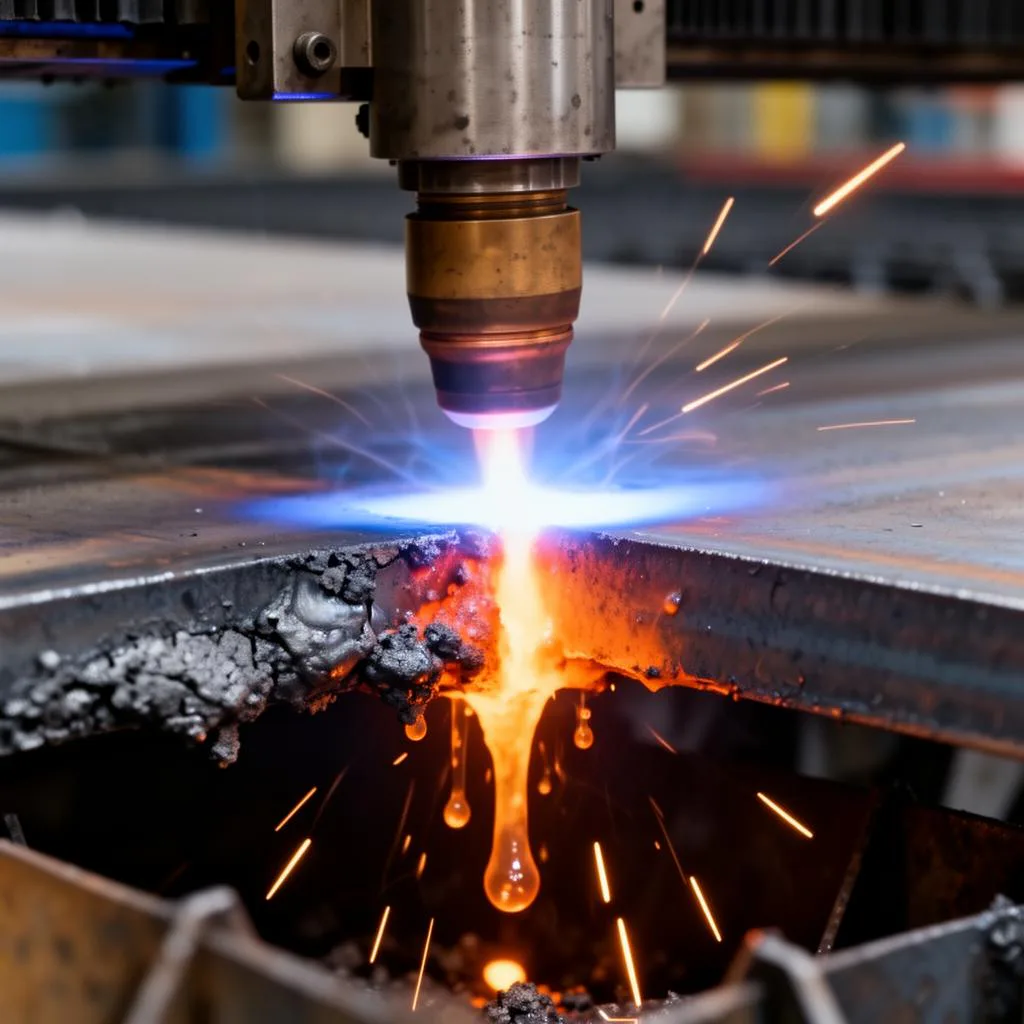
A modern Hypertherm XPR300 burns through ~$6–9 of consumables per arc-on hour at production duty, plus around $4 of electricity at 280-amp output. That's roughly $12–15/hour in operating cost — but it's cutting 1-inch plate at 25 inches per minute, which is the math that makes plasma unbeatable on thick stock.
Where shops bleed money on plasma is consumables management. Every misfire pierce, every rough start, every operator who forgets to drop the height control before fire — all of it eats electrodes. Keep a stocked organizer of plasma cutter consumables (electrodes, nozzles, shields) at the machine, train operators to log changeouts, and your cost-per-foot drops 15–20% inside three months. Most shops don't bother and it shows up in the quarterly P&L as "shop supplies."
For shops that aren't running a full CNC table, a quality handheld plasma cutter (50–60 amp inverter) handles up to ⅝" mild steel for under $900 — and for one-off bracket work or repair fab, the per-cut economics destroy any laser job shop's quote. Pair it with a plasma cutting guide rail and circle attachment if you want straighter freehand cuts without a CNC table.
One more underrated cost: the dross cleanup. Even on a perfect plasma cut, ¼"+ steel almost always needs a quick edge pass. Budget a 4½" angle grinder with flap discs as part of the per-cut cost — because in real shop life, it is.
4. Fiber Laser — The Hidden Operating Costs
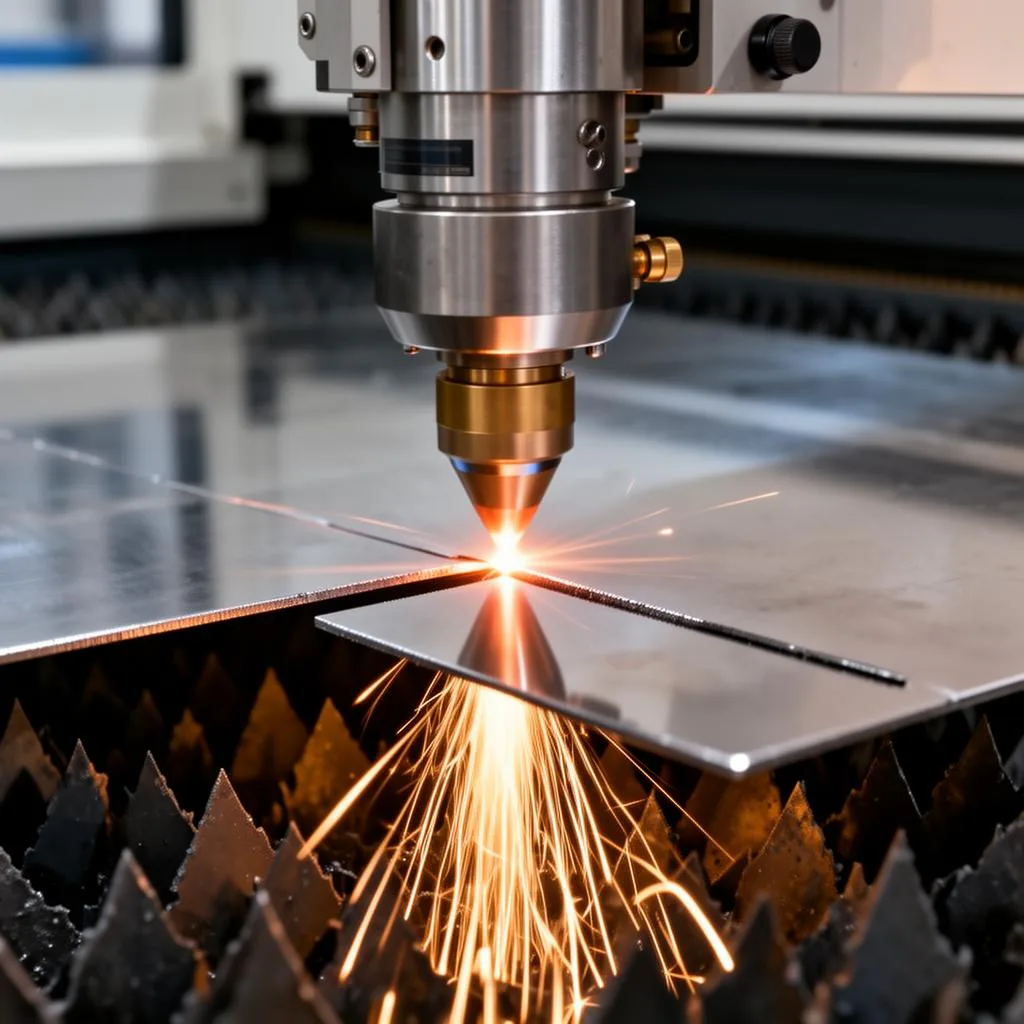
Fiber laser sells itself on "no consumables" — and it's mostly true. The IPG or nLight source has a 100,000+ hour rated life, the cutting head wears down only at the protective window, and there are no electrodes to replace. On thin sheet, the per-cut cost is dominated by electricity (a 6kW machine pulls about 18kW at the wall under full duty) and assist gas.
The hidden cost is nitrogen. Cutting 10mm stainless with a 6kW fiber at 17 bar N₂ pressure burns through roughly 40 cuft per minute. At bulk pricing that's ~$1.20/minute in gas alone — more than the electricity, the labor, and the consumables combined. Switch to high-pressure on-site nitrogen generation and that cost drops by 60%, which is why every serious laser job shop owns a generator within two years.
Lens windows are the one consumable people forget. They're cheap individually but spatter-pitted windows quietly degrade beam quality and slow your cuts by 10–20% before anyone notices. Keep a stock of fiber laser protective lens windows (multi-pack) and replace on a schedule, not on failure. Same logic applies to laser cutting nozzles (single & double layer set) — a worn nozzle wastes more gas in a week than a new nozzle costs.
For desktop work and small fabrication — signage, jewelry, prototype electronics enclosures — you don't need a $400k industrial fiber. A desktop fiber laser engraver/cutter (20–60W) handles thin stainless, brass, anodized aluminum, and most non-ferrous sheet under 2mm at a per-cut cost that's basically the electricity. We cover the math on this in detail in our fiber vs CO2 laser comparison.
5. The Buy / Lease / Outsource Decision
Cost per cut only matters if you're amortizing the right machine. Quick framework:
- Under 200 hrs/year of cutting — outsource. Both technologies have job shops in every metro that beat your in-house cost on volume that low.
- 200–1,200 hrs/year, mostly thin sheet — buy entry-level fiber (1.5–3kW). Payback inside 24 months at current rates.
- 200–1,200 hrs/year, mostly ¼"+ plate — buy plasma. A used Hypertherm XPR table runs $40–80k and pays back faster than any laser at this thickness.
- 1,200+ hrs/year mixed thicknesses — buy both, or buy a high-power fiber (10kW+) and accept the gas bill.
If you're sizing actual ROI for your shop, the TWC machine ROI calculator will run the numbers in about 90 seconds — including consumables, gas, and depreciation. Run it before you sign anything.
6. Bottom Line
If most of your work is under 10mm: fiber laser wins on cost per cut, edge quality, and throughput. Don't even consider plasma.
If most of your work is over 16mm: plasma wins on cost per cut, period. Higher-power lasers can do the work but never economically.
If you live in the 10–16mm crossover zone: the decision comes down to edge quality requirements, secondary operations, and how much your shop already owns. Tie goes to whatever you don't have to buy.
The biggest mistake we see in shop visits isn't the wrong choice between plasma and laser — it's choosing one and then trying to force it onto material it was never priced to cut. Match the machine to the thickness, run the consumables math honestly, and the per-cut cost takes care of itself.
Shop Ball Nose End Mills
Long-shank carbide cutters for 3D contouring, die finishing, and sign carving.
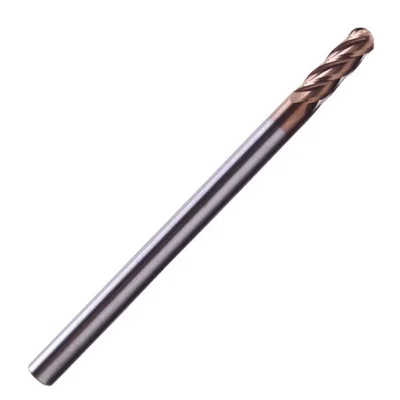
Ball Nose End Mill
R0.25–R8mm, 2/4 flutes, multiple coatings
View on Alibaba →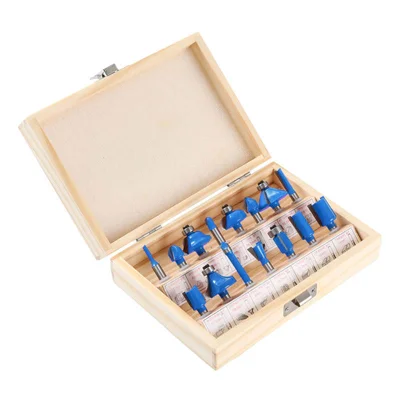
15-Piece Router Bit Set
Multi-size starter kit
View on Alibaba →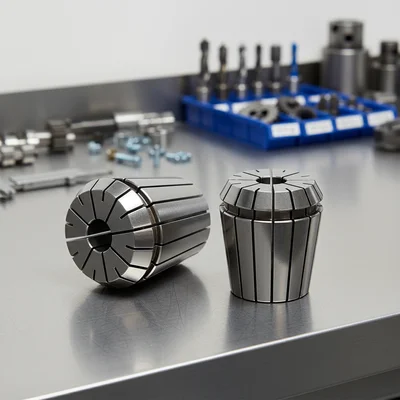
ER Collet Set
Precision tool holding
View on Alibaba →As an Alibaba affiliate partner, we earn from qualifying purchases at no cost to you.