Machine Comparisons
Hydraulic vs Mechanical Press Brake: Which Lasts Longer?
Hydraulic vs mechanical press brake lifespan compared: real service life, rebuild intervals, and the maintenance habits that decide 25 years vs 50.Hydraulic vs Mechanical Press Brake:
Which Lasts Longer?
Two technologies, two completely different aging curves. The honest breakdown of service life, failure modes, and the maintenance habits that decide whether your press brake makes 25 years or 50.
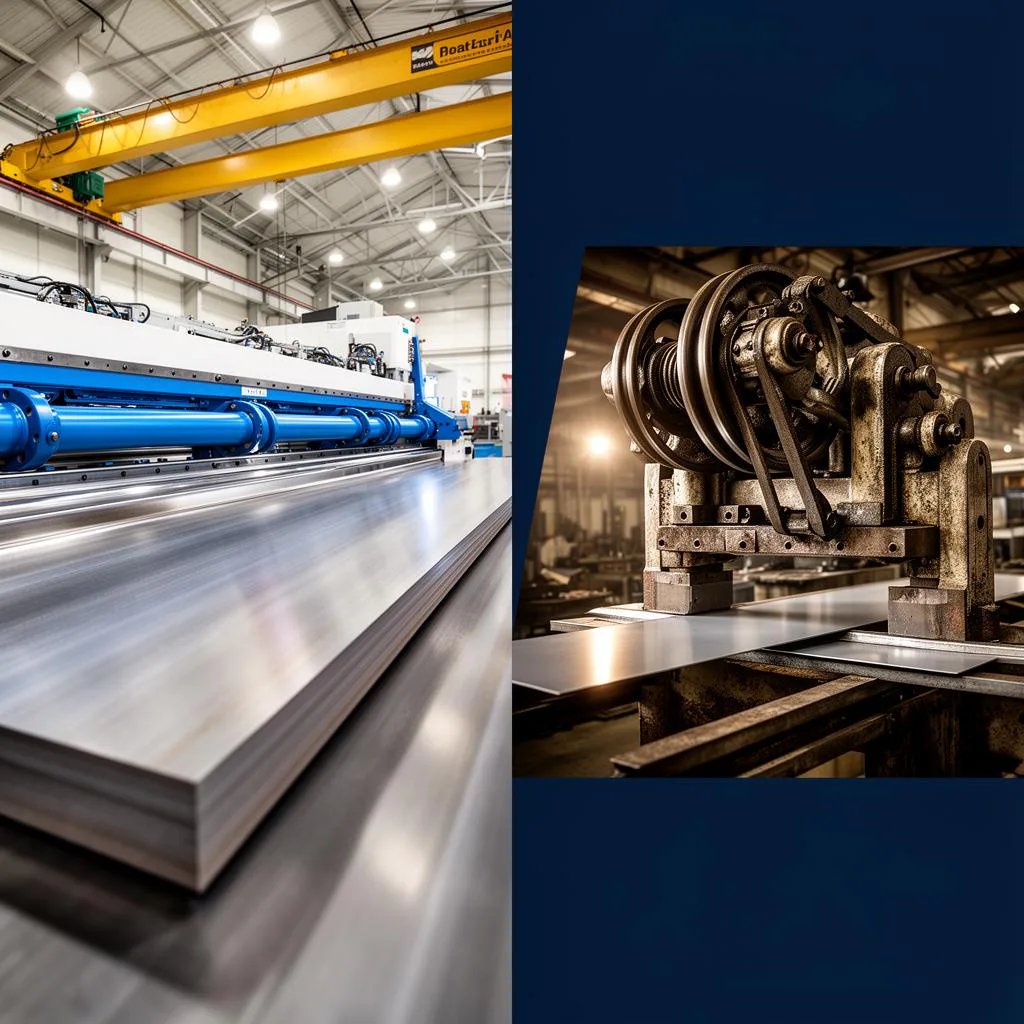
Mechanical press brakes routinely outlive hydraulic ones — often by 15–20 years. Well-maintained mechanicals built in the 1960s–80s are still bending parts in production today. Hydraulics typically need a major rebuild (cylinders, seals, valves, oil) every 15–25 years, and the electronics rarely make it past 20 without a control retrofit. But "lasts longer" and "still worth running" are two very different questions — and that's where the real decision lives.
Walk into any old-school fab shop and you'll find a 1972 Pacific or Cincinnati mechanical press brake still earning its keep. Walk into a newer shop and every machine on the floor is hydraulic — usually CNC, often electric-hybrid. Both camps will tell you their machine "lasts forever." Both are partly right. The hydraulic vs mechanical press brake longevity question depends almost entirely on what you mean by lifespan: total years of operation, hours before major rebuild, parts availability, or productive working life at modern tolerances.
This guide breaks down what actually wears out on each type, the realistic service intervals, what a rebuild costs, and the maintenance habits that separate the 50-year machines from the ones that limp along for 12 and get scrapped. If you're deciding which to buy, rebuild, or replace — start here.
1. Two Completely Different Aging Curves
Before the lifespan numbers, you have to understand how each machine ages — because they fail in opposite ways. A mechanical press brake degrades slowly and predictably. A hydraulic press brake runs at near-100% performance until specific subsystems fail suddenly. Same lifespan number tells two completely different operational stories:
- Mechanical wear is mechanical — bushings, gibs, brake/clutch linings, flywheel bearings. All visible, all measurable, all replaceable with hand tools and a heavy-duty mechanic's tool set. The machine tells you it's tired before it dies.
- Hydraulic wear is fluid and electronic — seal degradation, oil contamination, proportional valve drift, cylinder scoring. Often invisible until tonnage drops, ram tilts, or the CNC throws a sync error mid-bend.
- Frame fatigue — both machines accumulate it. A mechanical's heavy cast frame outlasts almost everything bolted to it. Hydraulic frames are usually welded steel; lighter, but adequately rated for 30+ years if not abused.
- Control obsolescence — the silent killer of hydraulics. The hydraulic system might be perfect at year 22, but if the CNC controller is dead and the OEM stopped supporting boards 8 years ago, the machine is stranded until you commit to a CNC retrofit (cost guide).
- Tooling abuse — kills both, equally. Off-center loading, overloading past rated tonnage, and forgetting to seat dies properly will shorten any press brake's life by 30–50%.
Most shops underestimate the impact of small daily habits. Our press brake tonnage calculator and machine depreciation calculator are the two TWC tools that put real numbers behind "is this machine being asked to do too much."
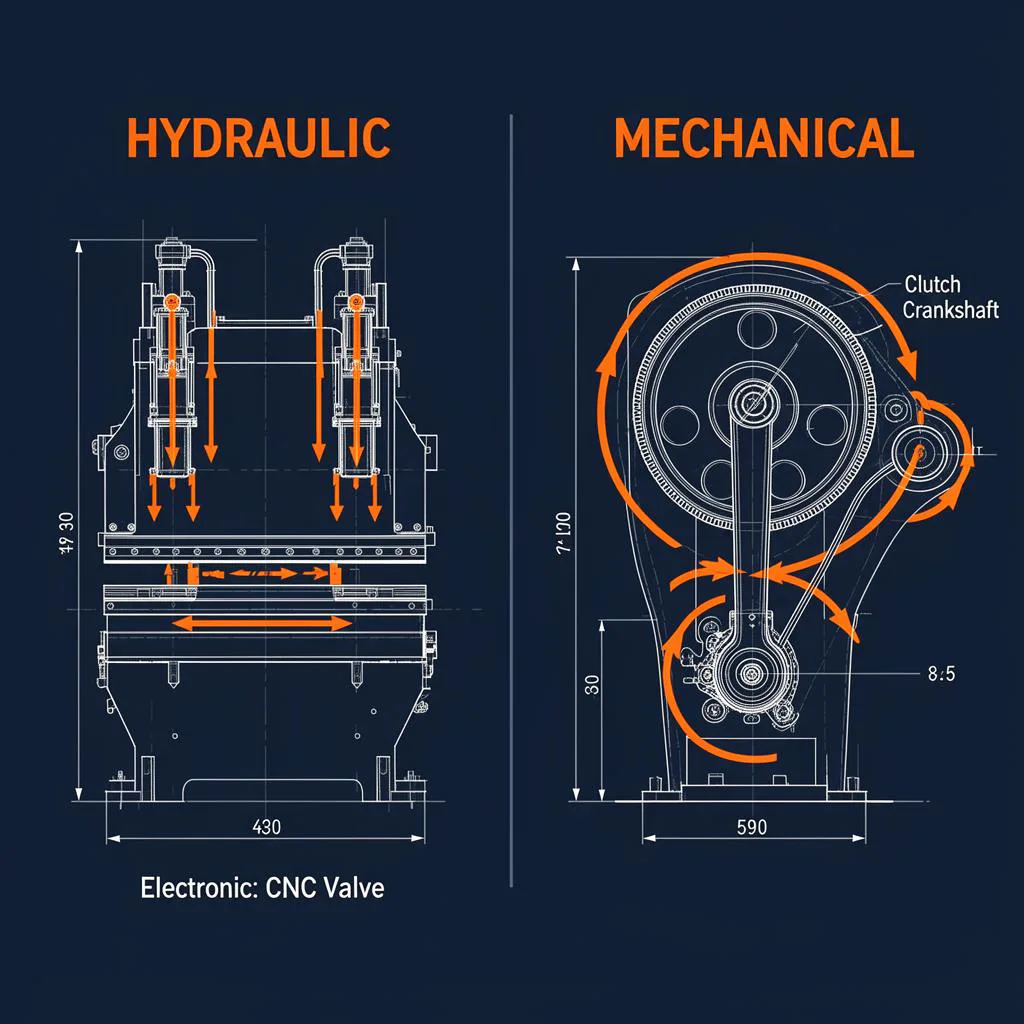
2. Realistic Service Life: The Numbers
These figures assume single-shift production (~2,000 hours/year), reasonable maintenance, and rated-tonnage operation. Two-shift or 24/7 shops can roughly halve them. Numbers come from manufacturer service data, rebuild shop quotes, and shop-floor reality:
| Lifespan Metric | Mechanical | Hydraulic | Winner |
|---|---|---|---|
| Total years to first major rebuild | 30–40 yrs | 15–25 yrs | Mechanical |
| Frame & structural life | 50+ yrs | 35–45 yrs | Mechanical |
| Hours before clutch/brake reline | 8,000–15,000 | N/A | Hydraulic |
| Hours before cylinder seal kit | N/A | 12,000–25,000 | Mechanical |
| Control system service life | 40+ yrs (relay logic) | 15–20 yrs (CNC) | Mechanical |
| Repeatable bend accuracy (yr 20) | ±0.5° (typical) | ±0.1° (with rebuild) | Hydraulic |
| Parts availability (post yr 30) | Excellent (universal) | Mixed (OEM-dependent) | Mechanical |
| Realistic full working life | 40–60 yrs | 25–35 yrs | Mechanical |
A mechanical press brake from 1975 can absolutely still bend straight parts today. The question is whether the parts your shop runs in this decade still fit the tolerance window of a 50-year-old machine. Mechanicals last longer; hydraulics stay accurate longer. Both statements are true, and both matter.
3. Mechanical — Why It Refuses to Die
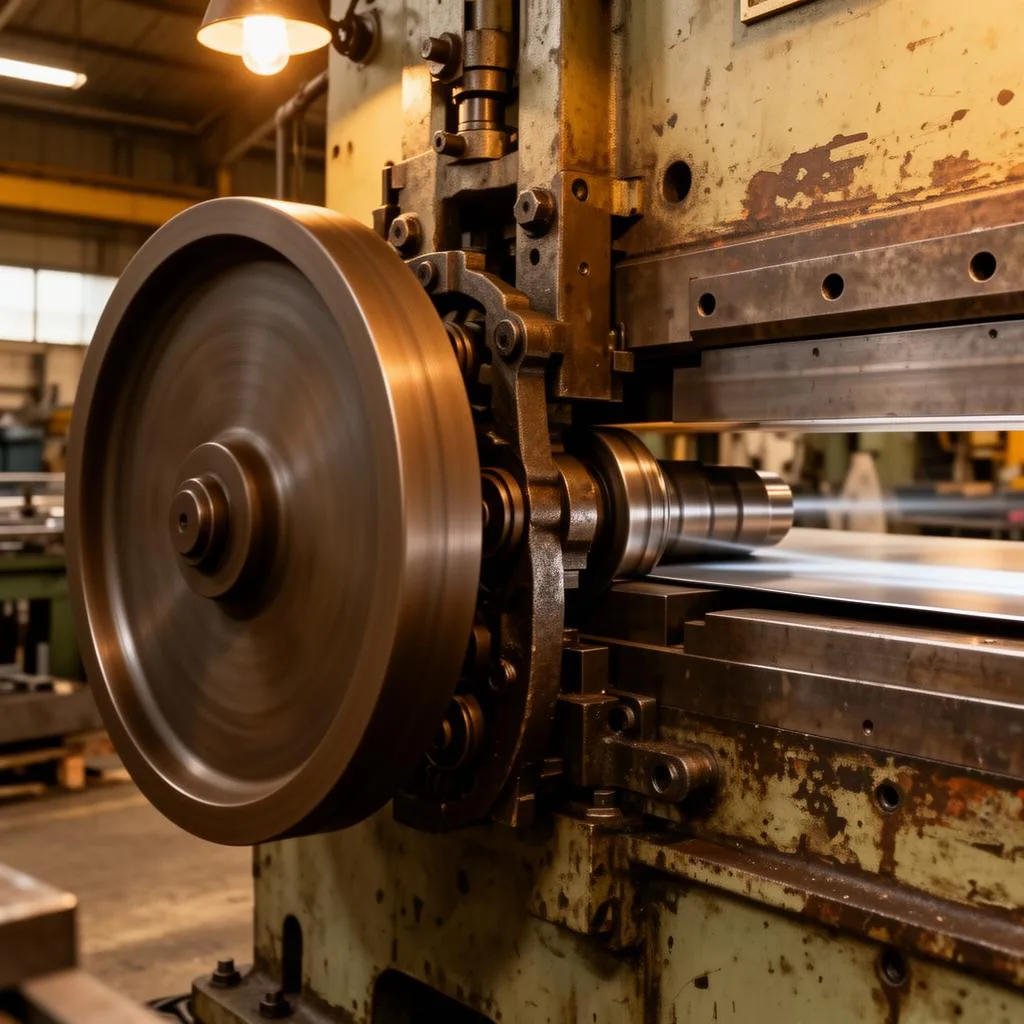
A mechanical press brake stores energy in a flywheel and releases it through a clutch and crankshaft. There are maybe a dozen wear parts in the entire drive train, all of them standard industrial components — bushings, bearings, friction discs, brake bands. Nothing exotic, nothing OEM-locked, nothing electronic to fail in unexpected ways. The cast-iron frame is overbuilt by every modern standard, which is exactly why these machines outlast the people who installed them.
Where shops kill mechanical press brakes early is the clutch and brake system. Operators who slap the foot pedal mid-stroke, let the flywheel coast against engaged dies, or skip the daily linkage lubrication will burn through brake bands in 6–8 months instead of 3–5 years. Keep a stock of industrial brake lining and friction material, train operators on proper pedal technique, and the clutch/brake assembly will outlive most other shop equipment.
The other underrated maintenance item: gib adjustment. Mechanical brakes use sliding gibs to keep the ram parallel as it descends. Set them too tight and you wear them out in a year; too loose and the ram tilts and your bend angles drift. A precision feeler gauge set (0.001"+) and a quarterly check is all most machines need to hold accuracy for decades. Pair it with a heavy-duty industrial grease gun on the manufacturer's lubrication schedule and you've covered 80% of mechanical lifespan extension.
For shops running older mechanical iron, a smart upgrade path is bolt-on safety: light curtains, two-hand controls, and a modern digital back gauge for press brakes. You keep the mechanical durability and add the precision/safety modern shops need — for 5–10% the cost of a new machine. We cover the math in our press brake retrofit vs replace guide.
4. Hydraulic — The Hidden Wear Items
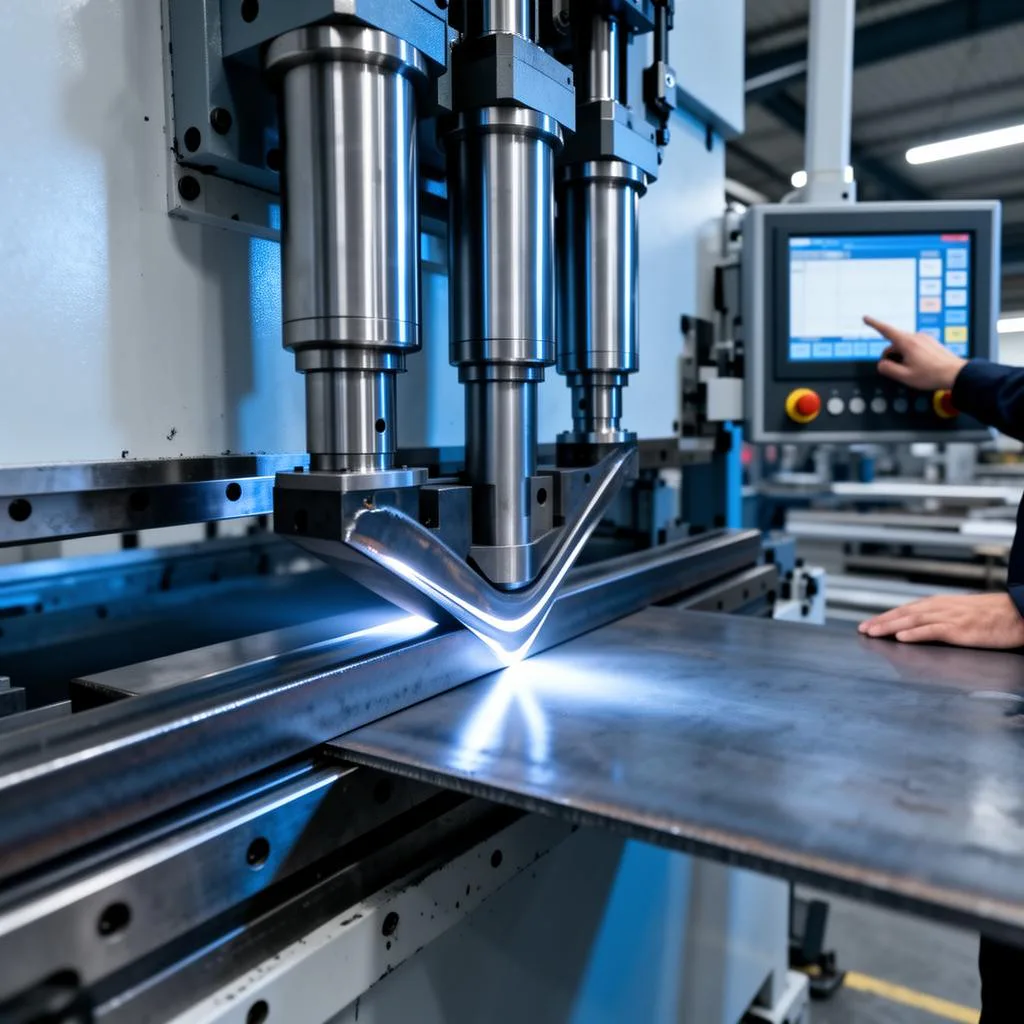
Hydraulic press brakes sell themselves on accuracy, programmability, and full-tonnage availability anywhere in the stroke. All of that is true, and all of it depends on a hydraulic system staying clean and electronically calibrated. The machine doesn't wear out in the traditional sense — the oil does, the seals do, and the proportional valves drift over time as fine particulates score the spool surfaces.
The single biggest determinant of hydraulic press brake lifespan is oil cleanliness. ISO 4406 cleanliness code 18/16/13 or better, monitored quarterly with sample testing, will get you to a 25-year service life on the cylinders. Let the oil hit 21/19/16 (typical for shops that "change it when it looks dirty") and you're rebuilding cylinders in year 12. Keep 10-micron hydraulic filters on a strict change schedule and stock hydraulic oil sampling kits (ISO 4406) for quarterly checks. The cost is trivial; the lifespan extension is enormous.
Cylinder seals are the consumable everyone forgets exists until a machine starts leaking down overnight. A full hydraulic cylinder seal kit for a press brake runs $200–600 in parts and a half-day of labor — call it once every 12,000–18,000 hours and you'll never see the dramatic seal failures that put hydraulics out of service for weeks. Same logic for hoses: pre-emptive replacement on a schedule, not a failure response.
The control system is the other ticking clock. Most CNC press brake controllers (Delem, Cybelec, ESA) have a 15–20 year support window. After that, board-level repair becomes hit or miss and a control retrofit is the only realistic path forward. Budget for it the moment your machine clears year 12 — pretending it won't come due is how shops end up with a $200k machine they can't run because a $800 board failed and the OEM no longer stocks it.
5. The Buy / Rebuild / Replace Decision
Lifespan only matters if you're amortizing the right machine for the right work. Quick framework:
- High-volume identical parts, loose tolerance (±1°) — a well-maintained mechanical press brake is unbeatable on cost-per-cycle and will outlast two hydraulics in the same role.
- Low to mid volume, tight tolerance (±0.25°), part variety — hydraulic CNC, every time. The programmability and repeatability pay for themselves inside three years vs setup time on a mechanical.
- Existing mechanical, 25+ years old, frame solid — rebuild and retrofit. A $15–30k clutch/brake/gib refurb plus a $20–40k CNC back gauge gets you another 20+ years of useful service for 20–30% of new-machine cost.
- Existing hydraulic, 18+ years old, control failing — get a CNC retrofit quote before you commit to scrap. Often the right call; sometimes the rebuild cost approaches new-machine pricing and replacement wins.
- New shop, no installed base — buy hydraulic CNC, accept the maintenance discipline, and budget rebuild costs from day one.
If you're sizing real ROI, the TWC machine ROI calculator handles rebuild-vs-replace math in under two minutes — including realistic downtime, parts, and labor at current shop rates. Run it before you sign anything.
6. Bottom Line
If raw lifespan is your only criterion: mechanical wins, often by 15–20 years. The frame, drive train, and parts ecosystem are simply harder to kill.
If accuracy at year 20 matters more than total years on the floor: hydraulic wins, because a rebuilt hydraulic CNC at year 20 holds tighter tolerances than a 1970s mechanical at year 50.
If you're buying once and want to never think about it again: a quality mechanical press brake with disciplined daily maintenance is the answer. If you need programmable bends, automatic crowning, and tight repeatability across part variety: hydraulic with religious oil cleanliness is the answer.
The biggest mistake we see in shop visits isn't choosing the wrong machine — it's buying either type and then skipping the maintenance habits that actually determine lifespan. Oil sampling, gib checks, brake/clutch inspections, control backups: trivial individually, transformative cumulatively. Match the machine to the work, commit to the maintenance, and either technology will outlast most of the people running it.
Top Picks for CNC Router Tooling
Professional-grade carbide tools ready to ship. Click any product to view details and pricing.
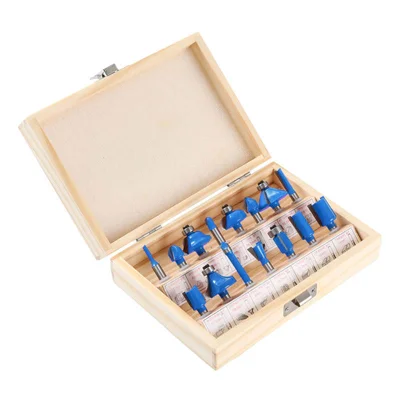
15-Piece Router Bit Set
Multi-size starter kit with carrying case
View on Alibaba →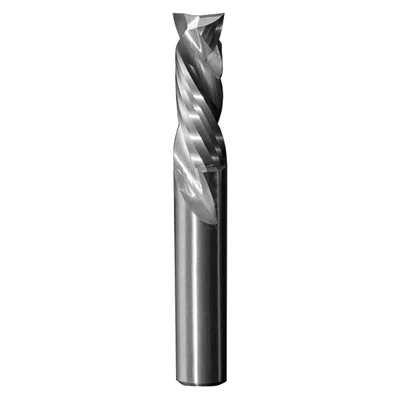
Compression Spiral Bits
Clean edges on plywood & MDF
View on Alibaba →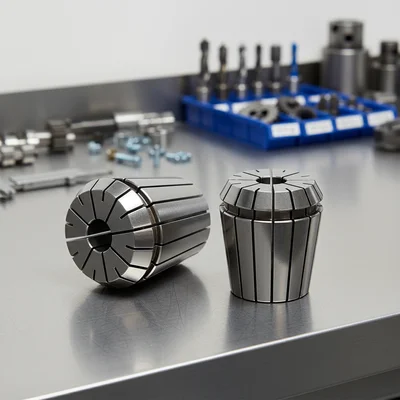
ER Collet Set
Precision holding, zero runout
View on Alibaba →As an Alibaba affiliate partner, we earn from qualifying purchases at no cost to you.