▣ Sat, Aug 15, 2026Subscribe to our newsletter & never miss our best posts. Subscribe Now!
f𝕏
♧ Subscribe
● Daily News
Industrial CNC vs Desktop CNC – Key Differences for Small Business OwnersThe Ultimate Guide to Choosing Your First Desktop CNC Router5 Best CNC Laser Cutters & Engravers in 2026: In-Depth Reviews5 Best CNC Machine for Small Business & Home Use in 2026: In-Depth ReviewsCNC Milling Machine Buying Guide 2026 -Spindle, Rigidity & Top Picks

CNC Machining Cost Calculator — Quote U.S. Parts in Seconds

A free, no-login CNC machining cost calculator built for U.S. job shops, OEM buyers, and design engineers. Enter your material, cycle time, setup, and quantity — get a realistic per-part price using 2026 American shop rates. Same formula real machinists use to quote milling, turning, and 5-axis work.

CNC machining cost calculator — milling aluminum part in a 3-axis machining center

Quoting a CNC machined part without a structured cost model is the fastest way to lose money — or lose the job. This calculator estimates your part price using the four levers a real shop uses: material, machine time, setup, and overhead. Use it to benchmark supplier quotes, validate a Design-for-Manufacturing change, or build a defensible price for your own shop.

CNC Cost Calculator

Cost Breakdown

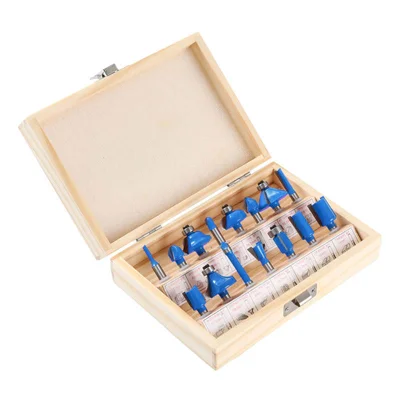
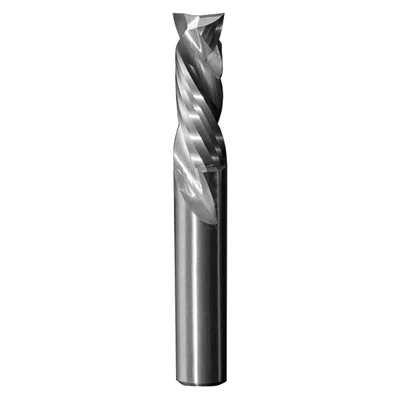
Pro tip: Cycle time is the #1 cost driver above qty 25. Cutting cycle by 20% with a high-feed cutter often pays back on the first job — a quality carbide end mill set for aluminum is one of the cheapest ways to get there.

How CNC Machining Cost Is Calculated

Every legitimate CNC quote in the U.S. is built from five line items. The calculator above applies this exact formula:

Part Price = ((Material × Weight) + (Cycle × Rate) + (Setup × Rate ÷ Qty) + (Tooling ÷ Qty)) × (1 + Margin)

1. Material Cost

Use the stock weight, not the finished-part weight — you pay for everything you load into the machine. For prismatic parts, add 15–25% for chip waste; for turned parts, add 30–40% because of bar pull-off and parting losses. Verify stock dimensions before quoting with a Mitutoyo 6" digital caliper or a Starrett 0–1" digital micrometer for tighter tolerance work.

Common CNC machining materials — aluminum, stainless steel, brass and titanium stock comparison

2. Machine Hour Rate

Shop rates vary widely across the United States. Typical 2026 ranges:

ProcessLow ($/hr)Average ($/hr)High ($/hr)
3-Axis Milling$65$85$110
4-Axis Milling$85$110$140
5-Axis Milling$110$135$185
CNC Turning$55$75$95
Mill-Turn / Swiss$95$125$165

The rate already includes operator labor, electricity, machine depreciation, and shop overhead — do not add labor separately or you'll double-count. To benchmark your own shop number, run our Machine Depreciation Calculator and Operator Labor Cost per Machine Calculator against your real overhead.

3. Cycle Time & Material Removal Rate (MRR)

Cycle time = roughing + finishing + tool changes + part handling. The dominant variable is Material Removal Rate:

MRR (in³/min) = Width of Cut × Depth of Cut × Feed Rate

For aluminum 6061 in a rigid VMC, modern carbide tooling pushes 8–15 in³/min. Steel typically runs 1.5–4 in³/min. Dial in feeds and speeds first with our CNC Cutting Speed & Feed Rate Calculator, then upgrade worn tooling — a fresh CNMG carbide insert kit typically outlasts cheap import inserts by 3×, and a quality carbide jobber drill set keeps hole cycles short.

4. Setup Cost

Setup is fixed per job and amortized across quantity. A 1.5-hour setup on a $85/hr machine costs $127.50 — that's $12.75/part at qty 10, but only $1.27/part at qty 100. This is why CNC pricing drops dramatically with volume. Compress setup time with a quality 6" precision machinist vise and a electronic edge finder for repeatable part zeros. Quantify your real setup overhead with our Setup Time Cost Calculator.

CNC lathe turning a stainless steel shaft — workholding and setup directly affect part cost

5. Tooling, Fixturing & Margin

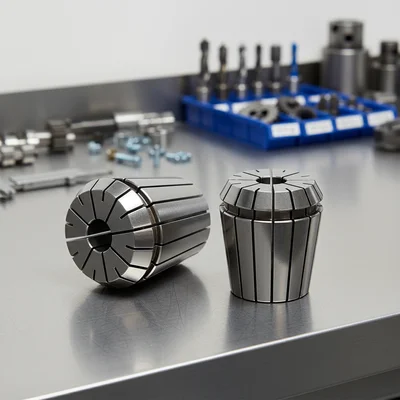
Custom soft jaws, dedicated fixtures, and special-form cutters are amortized over the order. Standard shop margin in the U.S. runs 25–45% — go higher for prototype work, lower for repeat production. Workholding accuracy matters: precision ER32 collet tool holders reduce TIR, and a clean part-off finish from a CNC lathe parting tool & blade holder avoids secondary ops. Lock in your final number with our Pricing & Margin Calculator.

Quick Cost Reduction Checklist

  • Avoid deep pockets with small corner radii — they force tiny end mills and slow feeds.
  • Standardize hole sizes to off-the-shelf drills and reamers.
  • Loosen tolerances where the part doesn't need ±0.0005". Each tightened band can add 15–30% to cost.
  • Specify Ra finish only where required. 125 µin is "as-machined" and free.
  • Order in batches of 25, 50, 100 to dilute setup cost.
  • Deburr in-house with a swivel-blade hand deburring set instead of paying a vendor.

Frequently Asked Questions

How accurate is this CNC cost calculator?

For 3-axis milled and turned parts in standard materials, the estimate is typically within ±15% of a real shop quote — close enough for design-stage budgeting and supplier benchmarking. Complex 5-axis aerospace parts, exotic alloys, or tight GD&T callouts require a hands-on quote.

Why are two CNC quotes so different?

Shop rate, programming time, fixturing approach, and acceptable margin vary widely. Use this calculator to identify which line item is driving the gap — it's almost always cycle time or setup amortization.

Does this work for prototypes?

Yes. For quantity 1–5, setup dominates. Increase your margin to 50–60% to cover programming and first-article inspection.

Disclosure: As an Amazon Associate, TWC Industrial earns from qualifying purchases. Affiliate links above are tagged rel="nofollow sponsored" and help support our free engineering tools at no extra cost to you.